
Featured News
A Modern Approach to Quarantine Screening
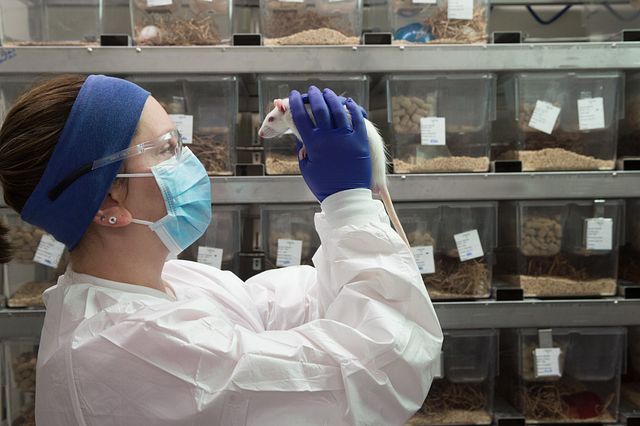
For years, the standard for rodent quarantine screening has been direct animal sampling – collecting fur, oral swabs, and fecal pellets for detection of infectious agents by PCR. While effective, direct sampling can be stressful for animals and labor-intensive for staff.
A recent study published in JALAAS by Rutgers University, in collaboration with Charles River, explored an alternative: the Sentinel-Free Soiled Bedding (SFSB) sampling method using the PathogenBinder® Kit.
The study found that SFSB not only matches traditional direct sampling in detection accuracy, but also offers significant benefits for animal welfare and sampling efficiency, including:
- Less Stress for Animals: No direct handling of mice, reducing anxiety and discomfort.
- Enhanced Safety: Minimal staff contact with potentially infectious materials, lowering health risks.
- Practical and Cost-Effective Sampling: SFSB requires fewer resources while maintaining reliability
- Improved Staff Wellbeing: Switching to SFSB boosts team morale and reduces stress on personnel
The findings strongly support replacing direct sampling with SFSB sampling for quarantine screening, as it minimizes animal stress while maintaining high diagnostic accuracy. By prioritizing welfare and efficiency, research facilities can ensure their practices align with modern ethical standards while maintaining scientific rigor.
WEBINAR
PathogenBinder: Setting the Standard for Sentinel-Free Health Monitoring and Quarantine
This webinar shows how the PathogenBinder system can help your lab facilitate faster quarantine and improve pathogen detection by PCR.
Watch on Demand
SFSB Quarantine Screening with the PathogenBinder Kit
The PathogenBinder Kit is a convenient SFSB sampling method for high-sensitivity PCR detection of infectious agents in rodent colonies. It provides standardized protocols for sample collection during routine health monitoring and quarantine screening.
The PathogenBinder contact media has been optimized to capture even small amounts of nucleic acid and material from infectious agents present in soiled bedding upon exposure and agitation. This makes the kit ideal for use in quarantine screening, where particles associated with agents that are exposed to animals (before or during transit) or shed sporadically tend to be at very low concentrations.
The quarantine protocol recommends isolating incoming animals with transport bedding for a minimum of one week, which provides an optimal time period to accumulate infectious material and improve detection sensitivity. On one hand, this renders longer quarantine periods (e.g., six weeks for soiled-bedding sentinels) unnecessary, thus allowing timely detection of pathogens.
On the other hand, it better represents the infectious agent load against direct sampling (swabs) collected on the day of or a few days after arrival, so that low-abundance particles aren’t missed.
Get Started with SFSB Sampling
Curious about how SFSB sampling can help streamline your workflow and enhance pathogen detection? Learn more about our PathogenBinder Kit or contact us to speak to a member of our scientific staff.