

Discovery
|
Carina Peritore
The Surprising Renaissance in Psychedelic Treatments
Dormant for decades, the study of psychedelic treatments is surging and so is the development of second-generation drugs
In 1963, Johns Hopkins researcher Bill Richards began studying the use of psychedelic substances for the treatment of alcoholism, depression, narcotic addiction, and the psychological distress associated with terminal cancer. His findings were encouraging. He and others saw psychedelic treatments as a viable avenue for quelling the symptoms of some mental illnesses.
As we know, the counter-culture movement embraced psychedelics, too, in a big way. Timothy Leary famously used the phrase “Tune In, Turn On, Drop Out”, to encourage a generation of people to embrace changes using psychedelic drugs like LSD and psilocybin mushrooms. By the 70s, the government had had enough, and passed legislation that shuttered research into the use of psychedelic treatments.
So, things stood, until several years ago, when scientists once again began exploring the use of psychedelic treatments for depression, addiction, bipolar disorder, and other conditions. The reason was clear. Currently available mental health treatments were ineffective for certain populations. Before long, the pharmaceutical industry started investing in the development of products derived from psychedelics.
Today, the use of psychedelic medicine is potentially one of the most transformative developments in psychiatry. Psychedelic research studies are providing more evidence that these small molecules produce immediate and long-lasting beneficial effects across a plethora of mental health and more recently, some neurodegenerative diseases. A collaborative approach across disciplines has already begun between medicinal chemists, biologists, neuroscientists, and clinicians to bring the first-generation psychedelics to the market.
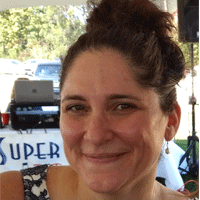
Carina Peritore, PhD, Product Manager in Neuroscience Discovery for Charles River Laboratories, recently published a paper in the journal, Future Drug Discovery about the incredible depth of research underway among more than 80 public and privately held companies. In her paper, Carina notes that the US psychedelic treatment market is forecasted to grow by 16.3% by 2027 due to the increasing prevalence of treatment-resistant depression and mental health disorders.
Carina, who is also a frequent contributor to the Eureka blog, recently participated in this Q&A to dig a bit more into the factors driving this amazing surge in in psychedelic treatment research, and whether society is ready for it.
Eureka: What mental health conditions might benefit the most from psychedelic treatment?
Carina: Right now, there is strong evidence that many of the first-generation psychedelics have the greatest therapeutic potential for major depressive disorder, manic depressive disorder—otherwise known as bipolar disorder—post-traumatic stress disorder, generalized anxiety disorders, and various forms of addiction from alcoholism to binge-eating disorders.
Eureka: How are we treating these conditions currently?
Carina: Depending on the indication, our market offers several prescribed therapies for major depressive disorders with antidepressants like SSRIs (selective serotonin reuptake inhibitors) or tricyclic antidepressants, antipsychotics for bipolar disorders or substance abuse disorders that usually coincide with bipolar. Psychotherapy is always encouraged to complement any prescribed drug. However, this is not always the case. Many people self-manage their symptoms with strategies that only exacerbate their condition, such as addictions to alcohol or other drugs of abuse.
Eureka: Are conventional treatments effective?
Carina: Unfortunately, the conventional therapies I mentioned above only relieve a subset of the population. There is a new term called: “treatment-resistant depression,” to describe patients that do not benefit from the available therapies on the market. There are also deleterious short-term and long-term side effects of these drugs that potentially outweigh the benefits of taking them. For example, it takes 6-8 weeks for the patient to “feel,” the beneficial effect and with that comes weight gain, low sex drive, tiredness, trouble sleeping, dry mouth, and a whole slurry of other undesirable side effects. There is also this feeling of being “numb,” to the world so that normal lived experiences may become less upsetting yet also less exciting. Patients may have to start taking additional drugs to caveat the side effects of the antidepressants or antipsychotics and this becomes less desirable to them because each new drug hosts another set of side effects that impinge on daily life.
Eureka: Why are psychedelic treatments suddenly so attractive to pharmaceutical developers?
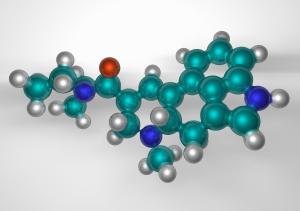
Carina: Psychedelic medicine development efforts began to accelerate in the mid-1990’s when new generations of behavioral health researchers began an in-depth re-examination and rediscovery of potential uses these substances have by utilizing contemporary methods and procedures. With the advent of Spravato, a psychedelic treatment for depression, researchers who were already dabbling in the space felt more comfortable getting their work out into the public. Ketamine, which used to be considered a “taboo,” drug and only used as an anesthetic has shown great promise in treating depression in a therapeutic setting. But researchers have also been exploring the use of psychedelic treatments like LSD or MDMA for many years. It isn’t new this concept that they have therapeutic potential. We are just slow to getting the evidence out there.
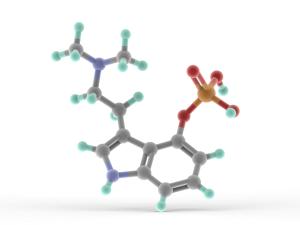
Psilocybin, especially, has really climbed in terms of the numbers of clinical trials, due to having almost no long-term side effects, immediate relief from depressive symptoms and long-term relief after a single dose and single session with a psychotherapeutic. Its safety profile is immensely different and in a much better way than any of the prescribed drugs on the market. There is this concept of neuroplasticity which seems to be the over-arching therapeutic benefit of almost all the first-generation psychedelics. Researchers are exploring second generation structural analogs that remove the hallucinogenic effect while preserving the fast-acting therapeutic effect. But there does lie the controversy of whether the subjective effects are what contribute to their fast-acting potential. Psychedelic treatments have gone from counterculture to mainstream medicine, not because they are potentially better than the traditional therapies, but because several investors are finally taking it seriously and pouring serious amounts of cash into this space.
Eureka: Which diseases are pharmaceutical companies mostly targeting with psychedelic treatments?
Carina: Right now, the psychedelic industry is investing in therapeutics for mental health disorders, substance abuse disorders and addiction. There is also some movement toward understanding their function better, in that very basic science research phase of development where its mechanism of action has yet to be fully understood and applied to neurodegenerative disorders. For example, understanding its main target (like the 5-HT2A receptor) and other structural phenotypes and binding affinities in the brain will help researchers elucidate how they can be applied to Alzheimer’s disease or Parkinson’s disease. Some of the side effects of those diseases themselves express symptoms of depression and the like.
Eureka: There is currently one psychedelic on the market, but it looks like
more are in clinical trials. Which ones look the most promising?
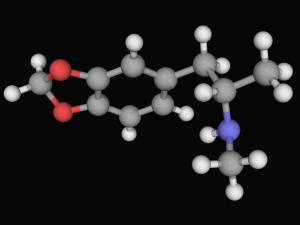
Carina: Right now, MDMA, otherwise known as “ecstasy,” was used in the clinical setting until it became a Schedule I drug of abuse in 1970 and could no longer be prescribed for mental health disorders in the US. This is one of a few of the first-generation psychedelics (psilocybin, LSD) that could potentially make it to the market next. Ironically and thankfully, they are now being used in many clinical trials as issued via funding from the US National Institutes of Health. Remarkably, MDMA was granted a Breakthrough Therapy Designation as an MDMA-assisted psychotherapy Investigational New Drug Application (IND) for post-traumatic stress disorder. The FDA agreed to a special protocol that would expedite Phase III clinical trials.
Eureka: For certain segments of the mental health community, a new arsenal of psychedelic treatments would be transformative. With that said, the word psychedelic is still largely associated with the counterculture era of the 1960s, and many of the psychedelics now are considered Schedule I drugs by the Drug Enforcement Agency. Do you think society and governments are ready to get past this and approve new ones?
Carina: This is a very tricky question. Unfortunately, in the United States political stigmatization more than actual risk has led to research-impeded regulatory control. We know mental health is a global issue. And there are several other countries that are ahead of the game with using psychedelic-assisted therapies. I am optimistic given the wealth of emerging data in human clinical trials that some of the first-generation psychedelic treatments will become legal for psychotherapy use in some states. Because the federal government hasn’t yet approved THC, I am not sure psychedelics will either. But, once all the data is accumulated and it becomes harder to ignore its benefits, I think we have to take a good hard look at how we operate and wonder, “why haven’t we yet?”
(If you are interested in learning more on this topic, check out Charles River’s page on Psychedelic Research Studies and our upcoming symposium, "Re-imagining Substance Abuse, Addiction, and Mental Health Disorders with Psychedelic Therapies.")