Antipsychotic Drug Studies in PCP-Induced Animal Models of Schizophrenia
Charles River has validated a pencyclidine (PCP)-induced deficit model which recapitulates several behavioral deficits, mimicking the symptoms of schizophrenia. This animal of schizophrenia model displays both positive and negative symptoms, including cognitive deficits, and facilitates the development of drugs for either symptom category or in combination.
Positive Symptoms in Schizophrenia Mouse Models
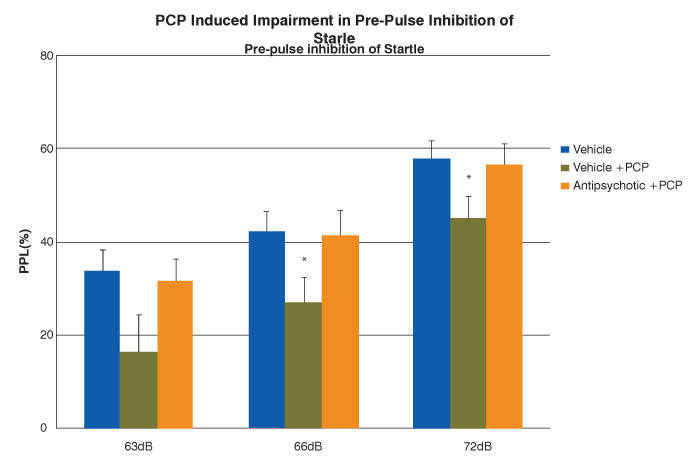
Prepulse inhibition of startle is a neurophysiological and behavioral measure of sensorimotor gating. A weaker prestimulus (prepulse) inhibits the reaction of an animal to a subsequent strong startling stimulus (pulse). Abnormal sensory inhibition may reflect a deficit in processing incoming sensory information. Such deficits are often observed in patients suffering from illnesses like schizophrenia.
Charles River uses schizophrenia animal models of PCP-induced impairment of Prepulse Inhibition (PPI) of startle. An antipsychotic drug is typically capable of partly reversing the PPI impairment.
Negative Symptoms in Schizophrenia Mouse Models
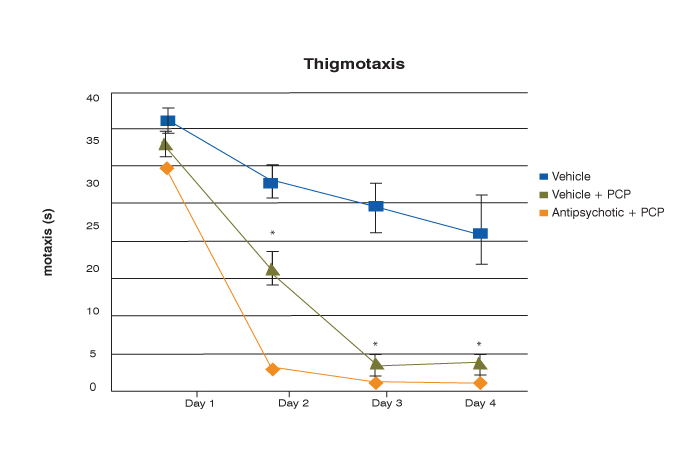
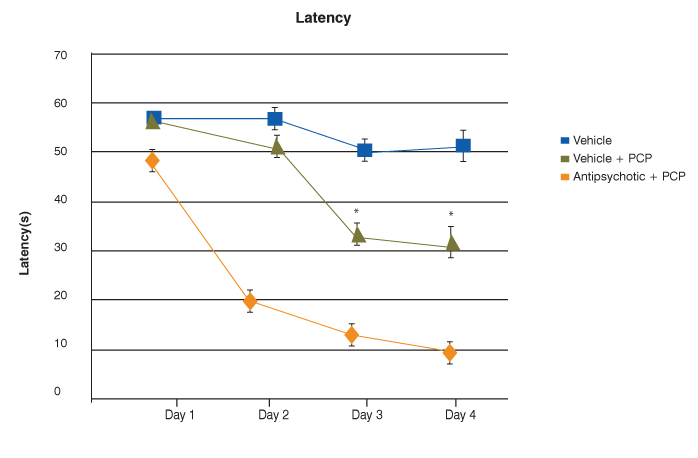
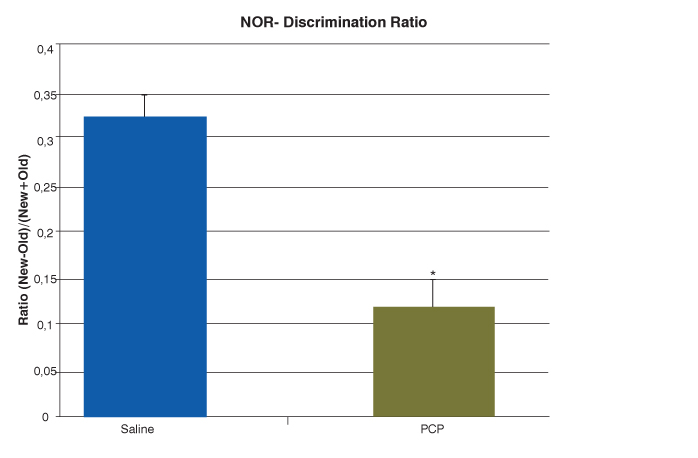
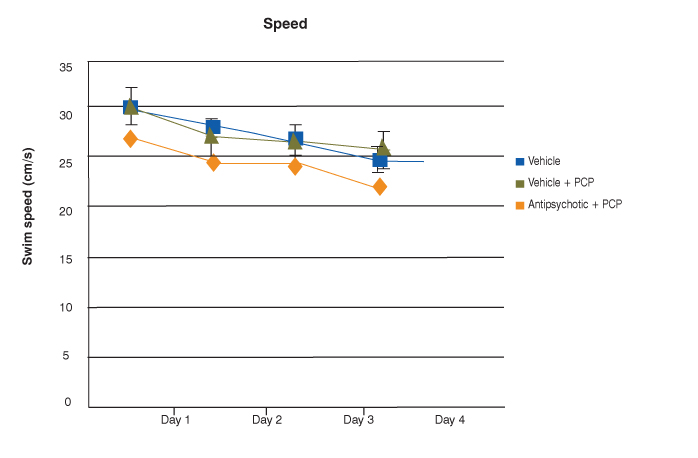
The key cognitive tests for efficacy of a substance on negative schizophrenia symptoms are the Morris Water Maze (MWM) and the Novel Object Recognition (NOR) test, in which PCP-induced cognitive decline in rats is reversed with an antipsychotic.

Psychiatric Disease Resources
Check out our Psychiatric Disease posters, publications, and other scientific resources.
Browse The Resources
Schizophrenia Mouse Model Study Data