
What is immunophenotyping?
Immunophenotyping is the analysis of heterogeneous populations of cells to identify the presence and proportions of populations of interest. Antibodies are used to identify cells expressing specific antigens, known as markers. These markers are usually functional membrane proteins involved in cell communication, adhesion, or metabolism.
The pattern of marker expression allows the description of the populations of cells within the sample. Flow cytometry immunophenotyping has become the method of choice to identify cell populations within blood and other lymphoid tissues.
Immunophenotyping Applications
Immunophenotyping is commonly used to:
- Show the mechanism of action (MOA) and assess immunomodulation.
- Determine the binding of a large molecule to a cell surface target.
- Assess efficacy and pharmacodynamic (PK/PD study) endpoints early in your drug development to provide the most robust and relevant readouts.
-
Safety
Immunophenotyping has become a standard assessment in safety studies for biologics and some small molecule therapeutics. It is often included to interrogate the known or proposed MOA of a therapeutic, or to gather additional data if earlier pharmacology or toxicology studies demonstrated there may be cause for concern (i.e., anticipated pharmacology or changes in hematology values that require further insight into the affected cell populations).
Traditionally, immunophenotyping in safety studies consisted of simple antibody panels to identify lymphocyte subsets, such as T cells, B cells, and NK cells. Thanks to the increased availability of antibodies that are cross-reactive with relevant toxicology species and fluorochromes, the complexity of immunophenotyping panels has increased dramatically to include the quantification of lineage cell subsets in addition to readouts such as target engagement, cell depletion, and activation.
-
Target Engagement
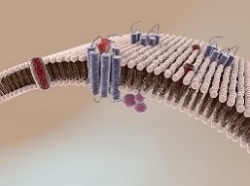
The binding of a large molecule therapeutic to target cellular receptors can be determined via receptor occupancy (RO) or test article binding assays. These assays may use the intended therapeutic, commercial antibodies against the desired target, or a combination of both to determine the surface expression of a target receptor.
Learn more about our Target Engagement ModelsWhen combined with immunophenotyping, these assays can provide valuable information to complement exposure and pharmacodynamic data. Receptor occupancy data can also provide insight into receptor internalization of shedding which may occur as a result of binding by a therapeutic molecule.
Using Receptor Occupancy Assays to Develop Biotherapeutics
Flow cytometry assay is the most ideally suited platform to study measurements of receptor occupancy. Find out how important RO assays are to this platform when developing potential therapies in this case study.
Access the Results -
Efficacy and PK/PD studies
The inclusion of immunophenotyping endpoints on early non-GLP and regulated safety studies has increased due to the number of immunomodulatory therapeutics and the variety of new modalities that are recognized or anticipated to trigger either immuno-stimulation or suppression.
Immunophenotyping provides an opportunity to address safety, receptor occupancy, and pharmacodynamic concerns – all within the same blood or tissue sample. Common pharmacodynamic (PD) assessments include cytokine release, proliferation, phosphorylation, cytotoxicity, and the upregulation of activation markers.
Our experienced immunologists can discuss the anticipated MOA of your test compound and recommend the best markers and assays to include on your study that will provide the most robust and relevant PD readouts.
Identifying Immunophenotyping Markers With Flow Cytometry Assays
Immunophenotyping by flow cytometry makes it possible to:
- Capture the pharmacodynamic response by PK/PD studies to diverse target cells
- Create diverse panels that capture the full range of immune cells and their activation status
Our specialists can help you determine whether an all-encompassing or focus panel approach is best for your program. The biology and expected pharmacodynamic response of many immunomodulatory therapeutics is generally understood. In these cases, focused immunophenotyping panels can be designed to capture the key metrics.

Go with the Flow: Measure Your Drug’s Immune Effects with Cytometry
Learn how to handle common challenges associated with the validation of these assays and walk away with effective strategies for designing these assays for various purposes.
Watch The Webinar
Our team of experienced immunologists have the technical knowledge to work with you on building the most appropriate panels to answer your key questions about the interaction of a therapeutic with cells of the immune system.
Validated Panels and Markers: Subpopulation
We support preclinical and clinical development, offering custom designed flow cytometry antibody panels or pre-validated panels.
Customized panels can be validated as part of development program, with validated panels ensuring precise and reproducible analysis to satisfy GLP compliance. Validation analysis will include interrogation for precision, robustness, limit of detection, and reference ranges in species and on validated flow cytometry platforms, appropriate for the associated pre-clinical programs.
Pre-validated panels designed for a specific flow cytometry platform* can be provided to identify the following cell populations in human sample or species selected for immunophenotyping: T cells, B cells, NK cells, monocyte, activated and memory lymphocyte populations, and granulocytes.
*BD LSRFortessa™ X-20, BD FACSCanto™ II, BD FACSVerse™, BD FACs Lyric, Beckman Coulter Navios, and Miltenyi MACSQuant®

eGuide: Biomarker Solutions from Discovery to Clinical Trials
Learn how strategic biomarker integration can accelerate research & de-risk pipelines to bring life-saving therapies to patients faster. This guide helps you uncover smarter ways to de-risk studies and accelerate timelines, without compromising scientific rigor.
Read the Guide
Frequently Asked Questions (FAQs) About Immunophenotyping
-
What types of samples can be analyzed by flow cytometry assay?
A wide range of cells can be acquired by flow cytometry assay as long as the final material is constituted of a single cell suspension. In practice, the main sample studies are whole blood, PBMCs, and cell isolation from tissues (lymph nodes, spleen, thymus, bronchoalveolar lavage, and bone marrow).
-
How long in advance prior to an in vivo study should a panel of interest be set up/transferred?
In general, a panel should be set up or transferred at least two months before starting an in vivo study. However, as always, issues can occur (i.e., antibody delivery issues), so a longer period is always preferred to de-risk the approach. Additionally, in non-rodent species, flow cytometry assays generally require at least two pre-study time points. These pre-study collections should be considered when determining the lead time for establishing a new panel.
-
Do you have panels ready to use for sponsors?
A catalog of established validated panels exists per species at each site covering most often encountered requests. However, we know that some compounds (especially for immunomodulatory drugs) require dedicated panels, including specific markers related to the mode of action or when receptor occupancy needs to be assessed. In these cases, specific work using the test item must be done prior to the in vivo phases.
-
I do not have in-house flow cytometry capabilities at my company, and I am not an expert. Can you still support my research?
Yes, we can provide full service technical and scientific support. We can develop panels from scratch as well as guide you and recommend relevant readouts according to your compound and its related context of use.
-
What is the regulatory level requested for flow cytometry assay?
Flow cytometry assay is used under a fit-for-purpose approach. Consequently, the degree of validation is dependent on the context of use. A general immunophenotyping panel to assess the impact of the drug product on the different subset of interest will have to be evaluated in terms of precision, while other assessments, such as sample stability (before and/or after staining), may or may not be appropriate. While this analysis does not generally need to claim GLP compliance, sponsors may request flow cytometry assay as a GLP-compliant endpoint. This may occur when there is no other pathology readout associated with immunotoxicology.