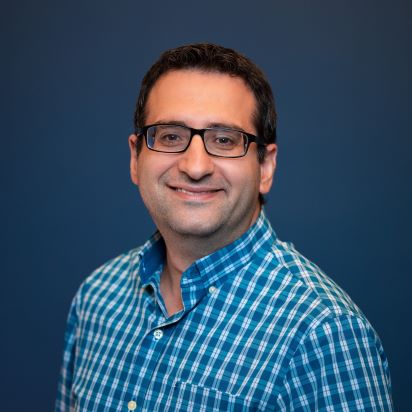
Wassim Basheer is an accomplished scientist with over 15 years of experience in molecular and cell biology, including therapeutic target validation for cancer and cardiovascular research. He had a lengthy career as a postdoctoral scientist at Cedars-Sinai Medical Center and as a Technical Application Scientist at ThermoFisher Scientific. Currently, he serves as a Principal Product Manager within the Cell Solutions division at Charles River Laboratories, where he leads the development and strategic growth of cellular starting materials (such as leukopaks, immune cells, and stem cells) that are used in cell and gene therapy (C>) research.
With a deep understanding of cellular starting materials (human immune cells, PBMCs, leukopaks, etc.), Dr. Basheer is pivotal in ensuring researchers have access to consistent, high-quality cellular starting materials to support cell therapy research and drug development.
He has been with Charles River Cell Solutions for over five years and is a recognized thought leader in the use of fresh and cryopreserved cellular starting materials for C> development.
Thought Leadership and Publications
As a trusted subject matter expert, Dr. Basheer has contributed to several white papers, scientific posters, a leukopak guidebook, webinars, and talks addressing key challenges in the field of cell therapy starting materials:
White Papers
- Assessment of Fresh Leukopak Stability
- A Comparative Study: Are Cryopreserved Leukopaks a Viable Alternative to Fresh?
- A Reliable Donor Network is the Foundation for Development of Successful Cell-Based Therapies
- Using Cryopreserved Isolated Cells as Starting Material for CAR-T Development
- A Comprehensive Analysis of CD34+ Stem Cell Mobilization Regimens
Guidebook
The Ultimate Leukopak Guidebook
A comprehensive guide to leukopaks, including sourcing strategies, best practices, and how to use them effectively for immune research and early-phase cell therapy development.
Poster
Lineage of CD34+ Hematopoietic Stem and Progenitor Cells (HSPCs)
A complimentary poster with information on immune cell markers, differentiation factors, cytokine expression, technical protocols, media recommendations, and more.
Webinars
- Safeguard Your Stem Cells: Strategies to Preserve Bone Marrow Stability
- Optimize Cell Therapy Manufacturing Efficiency with Cryopreserved Cells
- How Fresh Is Fresh? A Leukopak Stability Study
- Managing Donor Variability to Develop Robust PBMC Humanized Models for Cancer Research
- Fresh or Cryopreserved Leukopaks? Assessing the Impact of Different Storage Conditions on Leukopak Stability
Talks
"Source Material Characterization and Effective Donor Sourcing Strategies to Enhance Downstream Efficiency and Scalability of Cell and Gene Therapies." 6th Annual CAR-TCR Summit, Held virtually, August 30 – September 2, 2021.
"Cryopreserved Cellular Starting Material and Effective Donor Management Strategies Can Enhance Scalability and Efficiency of Immune Cell Therapies." ISCT Annual Meeting, Paris, France, May 31 – June 3, 2023.
Collection and processing of high-quality cellular starting materials coupled with robust donor management expertise are the cornerstones for advancing effective off-the-shelf cell and gene therapies. – Wassim Bashir, PhD
Q&A with Wassim Bashir, PhD
Q: What excites you about working in cell and gene therapy?
WB: What excites me the most about working in the cell and gene therapy field is the potential to fundamentally transform how we treat disease – shifting from symptom management to actual cure. The idea of reprogramming cells to fight diseases such as cancer or autoimmune disease is incredibly powerful and innovative.
I am particularly drawn to the fast-paced discoveries in the allogeneic cell therapy field and the industry breakthroughs relating to the processing of cellular starting materials, which are quintessential for the advancement of such therapies.
Q: What challenges do researchers often face when working with cellular starting materials?
WB: Consistency of the cellular starting materials is often a main challenge, and that generally correlates with how the cells are collected, stored, and handled.
For example, it can be challenging to determine which storage temperature is most suitable for shipment and storage of the cells. Therefore, by switching to cryopreserved materials, emphasis should be placed on preserving consistency, flexibility, global accessibility, and simplifying cold chain logistics.
Adopting standardized cellular collection procedures and having access to a highly characterized and recallable donor pool can also help mitigate risk and maintain consistency of the cellular starting materials.
Q: What's a project or initiative at Charles River you're especially proud of?
WB: I am especially proud of Charles River Cell Solutions for being the first to take the initiative and commercialize high-quality cryopreserved leukopaks for the development of cell and gene therapies. That was an absolute game-changer in the industry, simplifying cold chain logistics while allowing for more flexibility and maintaining consistency of the leukopaks.
In 2020, cell therapy manufacturers were only interested in fresh GMP leukopaks; however, by 2024, about 50% of our total GMP leukopak requests were for cryopreserved ones. This demonstrates that cell therapy providers have validated the application of cryopreserved leukopaks as practical cellular starting materials for successful therapy development.
Q: What advice would you give to researchers selecting starting materials for early-phase cell therapy R&D?
WB: I would advise them to start the discussions as early as possible with their provider of human cellular starting materials so that they understand the variability associated with such materials and thus bake that into their R&D process early on.
I would also advise them not to worry as much about donor recallability for R&D testing since that can really limit the amount of cellular materials available to work with. Generally speaking, R&D researchers just need some donor cellular materials for proof-of-concept experiments, and donor recallability is not a requirement, as it would be for later clinical stages of cell therapy development.