
High-Quality Human Immune Cells
Our portfolio of human immune cells is tailored to your research needs, providing reliability and consistency every step of the way. With our team of experts and customizable options, you can confidently explore the complexities of human immune cells in both healthy and disease conditions.
-
Discounted Pricing
Your company or academic institution may be eligible for pricing discounts. Government labs in the United States are also eligible for GSA MAS discounts. Request a quote to find out more.
Explore Human Immune Cells from Charles River
Peripheral Blood Mononuclear Cells (PBMCs)
Isolated and processed same-day and onsite from freshly collected leukopaks. Multiple vial sizes are available to isolate lymphocytes, monocytes, and dendritic cells. We offer normal PBMCs, GMP PBMCs, mobilized PBMCs, pooled PBMCs, and irradiated PBMCs. Explore PBMCs
T Cells
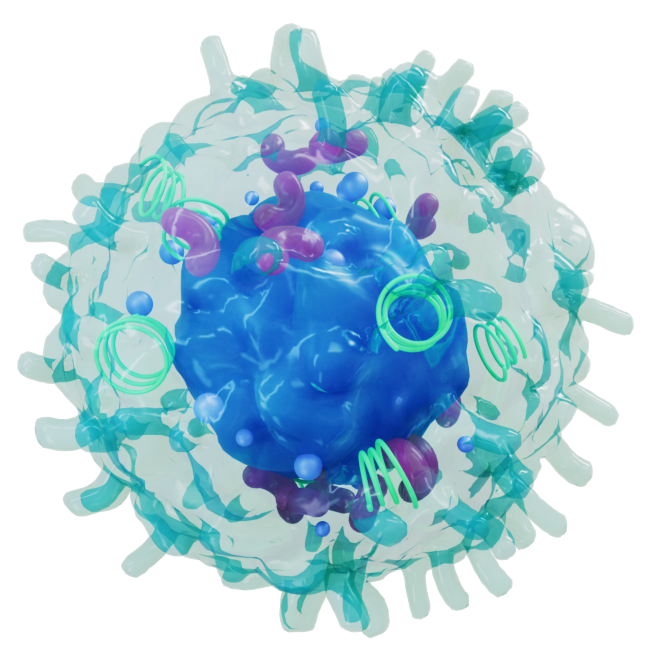
Isolated and processed same-day and onsite from freshly collected peripheral blood leukopaks. Using immunomagnetic cell separation procedures, T cells are isolated by either positive or negative selection. We offer CD3+ Pan T cells, CD4+ Helper T cells, CD8+ Cytotoxic T cells, Natural Killer T cells (NKTs), Antigen-specific T cells, Regulatory T cells (Tregs), and Gamma-delta T cells. Explore T cells
CD56+ NK Cells
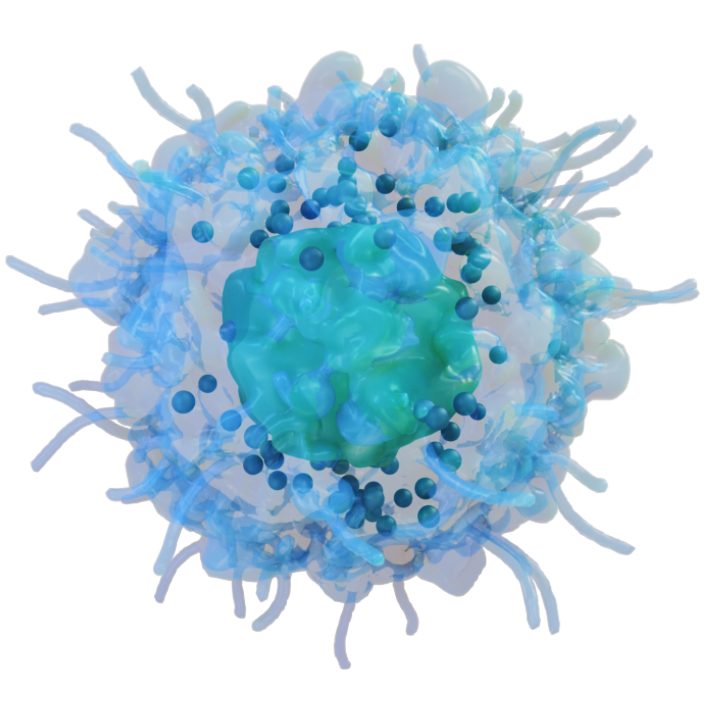
Isolated and processed same-day and onsite from freshly collected peripheral blood leukopaks. Immunomagnetic cell separation procedures are used to isolate NK cells by either positive or negative selection. Explore CD56+ NK Cells
Monocytes
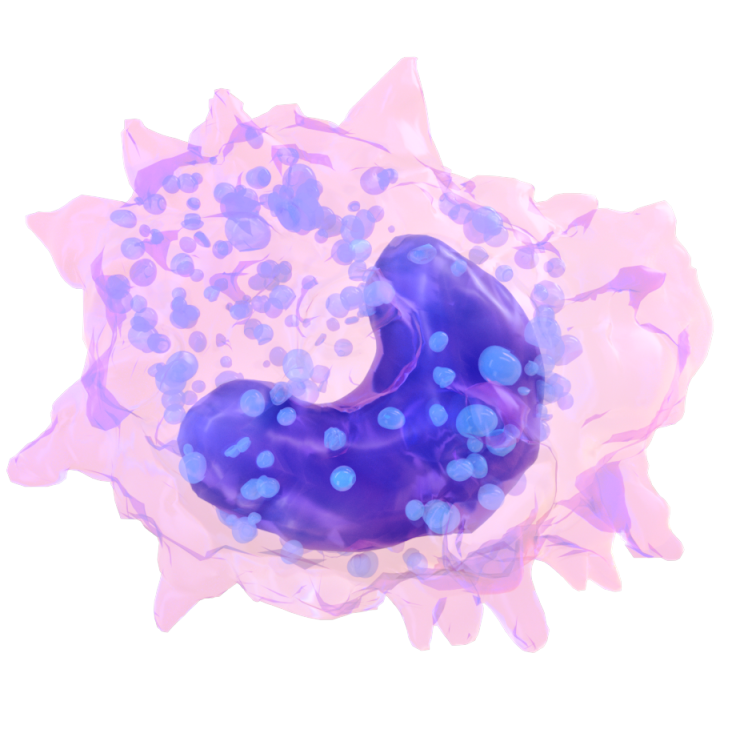
Isolated and processed same-day and onsite from freshly collected leukopaks. Pan and classical CD14+ monocytes are available and are isolated by positive or negative selection. Explore Monocytes
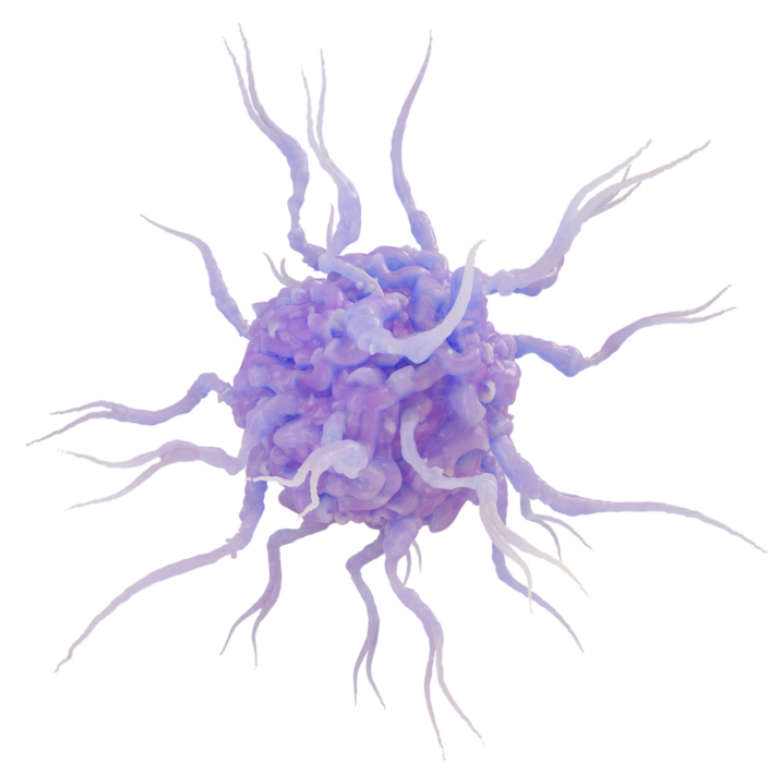
Dendritic Cells
Differentiated from CD14+ monocytes that are isolated and processed same-day and onsite from freshly collected leukopaks. Explore Dendritic Cells
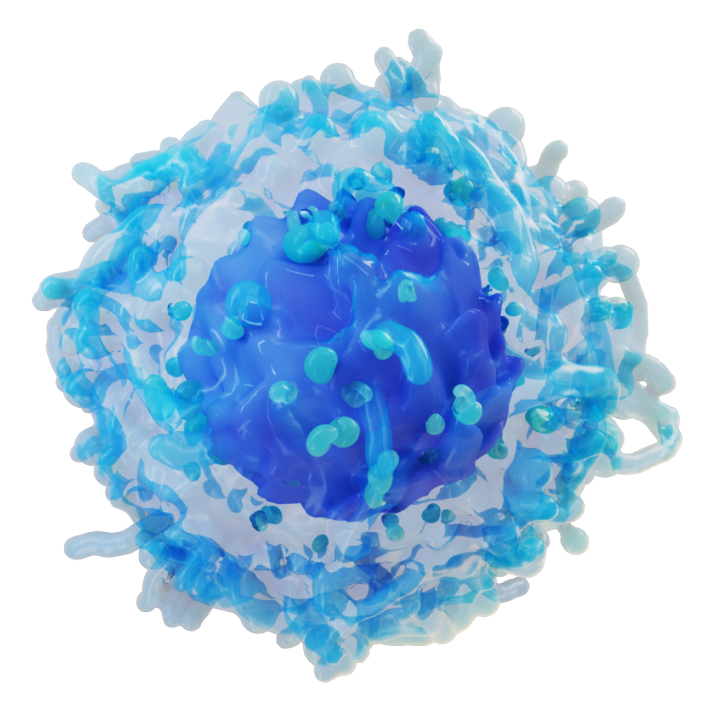
B Cells
Isolated and processed same-day and onsite from freshly collected peripheral blood leukopaks. Using immunomagnetic cell separation procedures, B cells are isolated by positive or negative selection. Explore B Cells
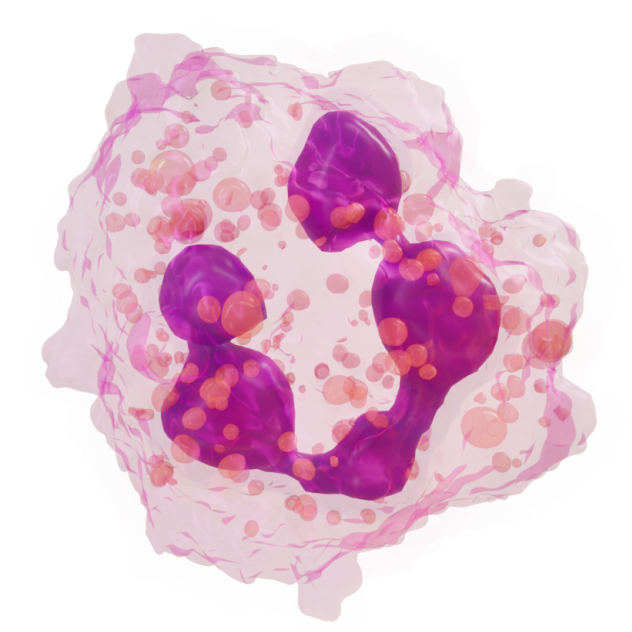
Granulocytes
Collected and processed same-day and on-site from freshly collected leukopaks. Granulocytes are separated using a density gradient and red cell lysis. Explore Granulocytes
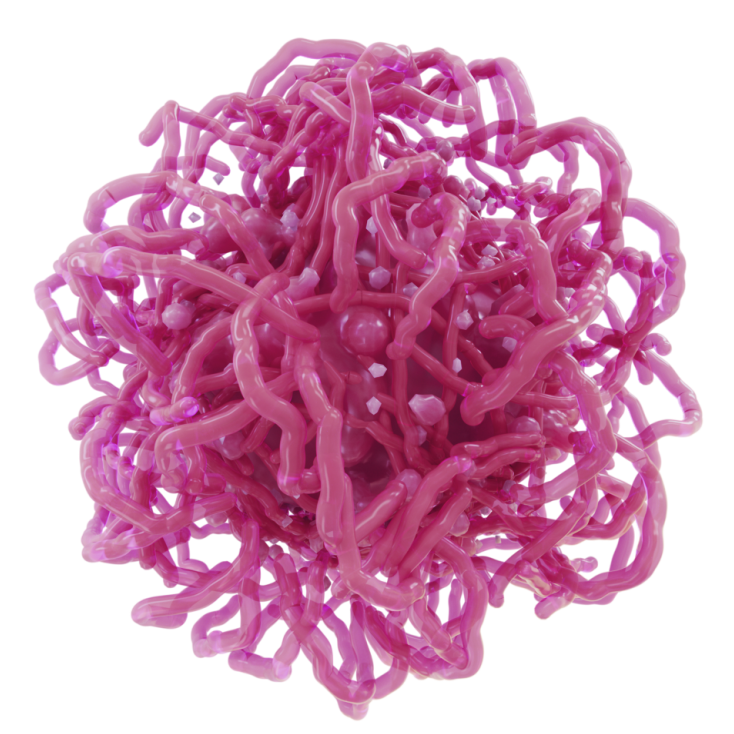
Macrophage Cells
M1 and M2 macrophages are differentiated from CD14+ monocytes that are isolated and processed same-day and onsite at the collection facility from freshly collected leukopaks. Explore Macrophage Cells
Driving Innovation in Immune Cell Research
Our commitment to advancing immune cell research is reflected in the quality and innovation of our human immune cell products. By collaborating with leading researchers, we continuously enhance our offerings to address the evolving challenges in immunology.
Explore our human immune cell solutions and see how Charles River can be your partner in driving innovation and achieving breakthroughs in the study of human immune cells.
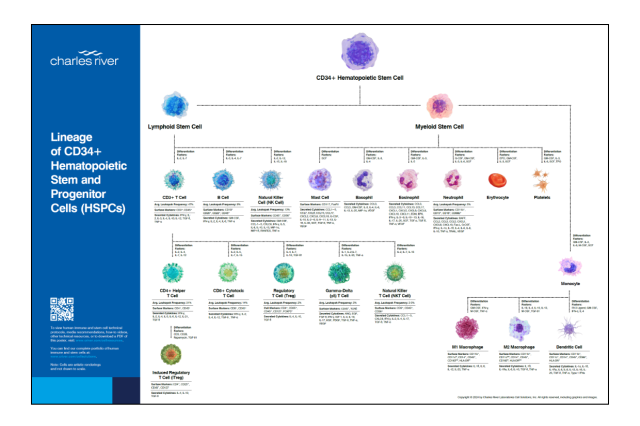
Lineage of CD34+ Hematopoietic Stem and Progenitor Cells (HSPCs)
Receive a complimentary poster to access information on immune cell markers, differentiation factors, cytokines, technical protocols, media recommendations, and how-to videos.
Frequently Asked Questions (FAQs) About Human Immune Cells
-
What are human immune cells, and why are they important?
Human immune cells are specialized cells that play a crucial role in the body’s immune system, responsible for defending against infections, diseases, and foreign substances. These cells are part of a complex network that identifies and neutralizes harmful pathogens, such as bacteria, viruses, and parasites, as well as abnormal cells, like cancer cells. Each type of immune cell has a unique function and works in concert with others to maintain the body’s defense mechanisms, ensuring a coordinated and effective immune response.
-
How are immune cells used in research?
Immune cells are integral to a wide range of research areas, providing insights into the immune system’s function and aiding in the development of new therapies and treatments. Overall, immune cells are a vital tool in basic and applied research, contributing to our understanding of the immune system and developing innovative treatments for various diseases.
Here are some ways immune cells are used in research:
Disease Studies: Researchers use immune cells to understand the underlying mechanisms of diseases, particularly those involving immune dysregulation, such as autoimmune diseases, allergies, and infectious diseases. By studying how immune cells interact with pathogens or self-antigens, scientists can uncover the causes of these conditions.Drug Development and Testing: Immune cells are used to test the efficacy and safety of new drugs, particularly those targeting the immune system, such as immunosuppressants or immunostimulants. This helps identify potential therapeutic agents and optimize their effects.
Cancer Research: Immune cells are crucial in cancer research, particularly in developing immunotherapies. Techniques such as CAR-T cell therapy involve modifying a patient’s T cells to better recognize and attack cancer cells. Research into how immune cells can be harnessed or enhanced to fight cancer is a significant focus area.
Vaccine Development: Understanding how immune cells respond to pathogens is essential for developing effective vaccines. Researchers study immune cell activation, memory formation, and antibody production to design vaccines that elicit strong and lasting immune responses.
Transplantation Research: Immune cells are studied to improve the outcomes of organ and tissue transplants. Research focuses on understanding and preventing immune rejection and developing strategies to induce tolerance to transplanted tissues.
Basic Immunology Research: Immune cells are used to explore fundamental questions about the immune system, such as how immune responses are initiated, regulated, and resolved. This research provides the foundational knowledge necessary for applied research and therapeutic development.
-
What are the different immune cell populations?
Lymphocytes T Cells Helper T Cells (CD4+): Activate and direct other immune cells
Cytotoxic T Cells (CD8+): Destroy infected or cancerous cells
Regulatory T Cells: Maintain immune system balance by suppressing the activity of other immune cells and preventing autoimmune responses.
Gamma/delta T cells: Play a role in innate and adaptive immunity, recognizing a broad range of antigens without needing MHC molecules.
NKT Cells: Possess characteristics of both T cells and NK cells, bridging the innate and adaptive immune response. They recognize lipid antigens presented by CD1d, an MHC class I-like molecule.
B Cells Responsible for producing antibodies, which target and neutralize pathogens. Natural Killer (NK) Cells Part of the innate immune system, they can recognize and kill virally infected cells and tumor cells without prior sensitization. Monocytes and Macrophages Monocytes Circulate in the blood and migrate into tissues, where they differentiate into macrophages or dendritic cells. Macrophages They engulf and digest pathogens and debris. They also activate other immune cells and help repair tissue. Dendritic Cells Act as antigen-presenting cells that capture antigens and present them to T cells, thus bridging innate and adaptive immunity. Granulocytes Neutrophils The most abundant white blood cells, neutrophils are first responders to infection, performing phagocytosis to engulf and destroy pathogens. Eosinophils Involved in combating parasitic infections and allergic responses. Basophils Release histamine and other mediators in allergic reactions and play a role in defense against parasites. Mast Cells Found in tissue, they release histamine and other chemicals during allergic reactions, help heal wounds, and defend against pathogens. -
What are immune cell assays?
Immune cell assays are experimental techniques used to evaluate the functions and behaviors of immune cells under various conditions. These assays help researchers understand how immune cells respond to stimuli, interact with pathogens, or react to therapeutic agents. Common types of immune cell assays include proliferation assays, which measure cell growth; cytotoxicity assays, which assess the ability of immune cells to kill target cells; and cytokine release assays, which evaluate the production of signaling molecules.
These assays provide insights into immune cell activity, which is crucial for advancing immunological research, drug development, and the creation of new therapies for diseases involving the immune system.
-
What is immune cell therapy?
Immune cell therapy is an innovative treatment approach that harnesses the power of the body’s own immune cells to fight diseases, particularly cancer. This therapy involves collecting and sometimes genetically modifying a patient’s immune cells, such as T cells, to enhance their ability to recognize and destroy diseased cells. Once modified, these cells are expanded in the laboratory and reintroduced into the patient’s body to effectively target and eliminate cancer cells.
Immune cell therapy, including CAR-T cell therapy, represents a promising frontier in personalized medicine, offering hope for patients with conditions resistant to conventional treatments.
-
What are immune cell diseases?
Immune cell diseases are disorders that arise from dysfunctions within the immune system’s cellular components, leading to inadequate or excessive immune responses. These diseases can manifest as autoimmune conditions, where the immune system mistakenly attacks the body’s own tissues, such as rheumatoid arthritis or lupus. Conversely, they can also involve immunodeficiencies, where the immune system’s ability to fight infections is compromised. Understanding these diseases is crucial for developing targeted treatments that can restore immune balance.
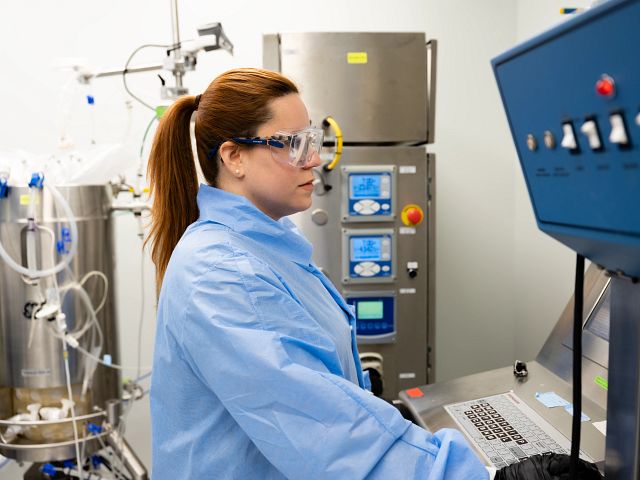
Power Your Immunotherapy Pipeline
Leverage one partner for high-quality human immune cells and immunotherapy and oncology-focused CDMO services, reducing risk, boosting speed, and enabling scalable development from discovery to clinic.
References
-
References
Targeting Autophagy in Innate Immune Cells: Angel or Demon During Infection and Vaccination?
Tao S, Drexler I.Metabolic Reprogramming of Innate Immune Cells as a Possible Source of New Therapeutic Approaches in Autoimmunity
Mohammadnezhad L, Shekarkar Azgomi M, La Manna MP, Sireci G, Rizzo C, Badami GD, Tamburini B, Dieli F, Guggino G, Caccamo N.Crosstalk between cancer-associated fibroblasts and immune cells in the tumor microenvironment: new findings and future perspectives
Mao X, Xu J, Wang W, Liang C, Hua J, Liu J, Zhang B, Meng Q, Yu X, Shi S.Emerging Innate Immune Cells in Cancer Immunotherapy: Promises and Challenges
Wu J.Extracellular vesicles derived from immune cells: Role in tumor therapy
Shi Y, Yao F, Yin Y, Wu C, Xia D, Zhang K, Jin Z, Liu X, He J, Zhang Z.