
|
Eureka Staff
What is Non-Small Cell Lung Cancer?
A primer on this common and deadly form of cancer
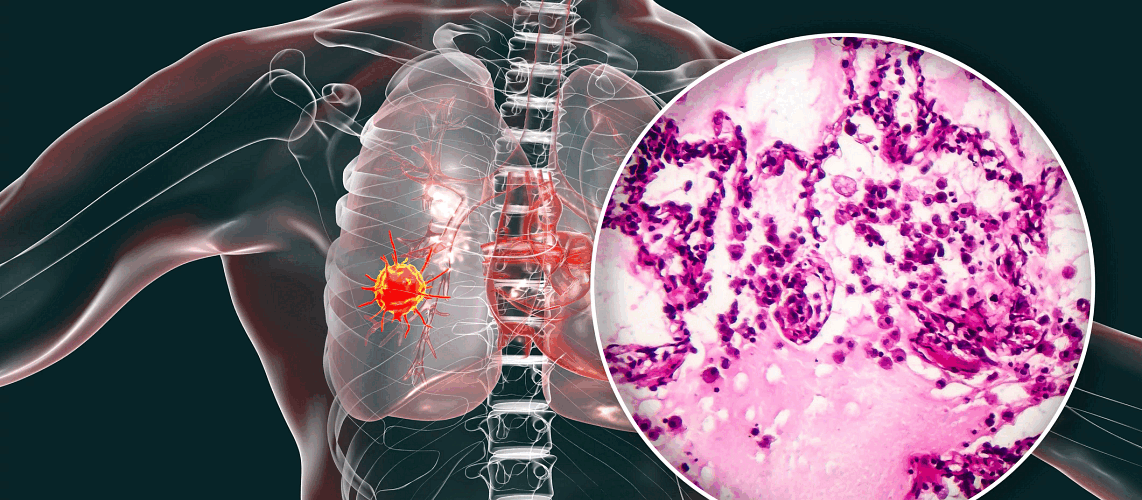
Non-small cell lung cancer (NSCLC) is a type of lung cancer that accounts for approximately 85% of all lung cancer cases. NSCLC starts in the cells that line the lungs and can spread to other parts of the body if left untreated.
There are three main types of NSCLC: adenocarcinoma, squamous cell carcinoma, and large cell carcinoma. Adenocarcinoma represents 40% of all NSCLCs diagnoses. It also tends to grow more slowly than the other two types. Squamous cell carcinoma, which impacts 25-30% of all diagnoses, and the relatively rare large cell carcinoma, tend to grow more quickly than adenocarcinoma.
What are the symptoms of Non-Small Cell Lung Cancer?
Symptoms of NSCLC can include a persistent cough, chest pain, shortness of breath, wheezing, fatigue, weight loss, and loss of appetite. However, some people with NSCLC may not experience any symptoms until the cancer has advanced.
Role of Genetics in the Development of Non-Small Cell Lung Cancer
Non-small cell lung cancer (NSCLC) is a complex disease that is influenced by both genetic and environmental factors. While smoking is the primary cause of lung cancer, genetics also play a significant role in the development of NSCLC.
Research has shown that certain genetic mutations can increase the risk of developing NSCLC. For example, mutations in the EGFR gene have been found to be present in up to 30 % of NSCLC cases. These mutations can cause cells to grow and divide uncontrollably, leading to the development of cancer.
Other genetic mutations that have been linked to NSCLC include mutations in the KRAS, ALK, and ROS1 genes. These mutations can also cause cells to grow and divide uncontrollably, leading to the development of cancer.
In addition to genetic mutations, other genetic factors can also play a role in the development of NSCLC. For example, certain genetic variations can affect how the body processes carcinogens found in cigarette smoke. This can increase the risk of developing NSCLC in smokers.
Understanding the role of genetics in the development of NSCLC is important for developing new treatments and prevention strategies. By identifying individuals who are at a higher risk of developing NSCLC due to genetic factors, doctors can develop personalized treatment plans and prevention strategies. This can help to reduce the incidence and mortality rates of NSCLC.
What are current treatment options for NSCLC?
Treatment options for NSCLC depend on the stage of the cancer and may include surgery, radiation therapy, chemotherapy, targeted therapy, immunotherapy, or a combination of these treatments. Early detection is important for successful treatment outcomes, so it is important to talk to a doctor if any symptoms of NSCLC are present.
Conventional therapies for Non-Small Cell Lung Cancer
For non-small cell lung cancers that have not spread beyond the lung, surgery is used to remove the cancer. Surgery may also be used in combination with radiation therapy and chemotherapy in cancers that are more advanced. In recent years, however, newer modalities and strategies have been used successfully to treat NSCLC patients, too, including targeted therapy and immunotherapy.
Targeted Therapies for Non-Small Cell Lung Cancer
Targeted therapy works by identifying specific molecules or proteins that are present in cancer cells and then developing drugs that can target and attack those molecules. This type of treatment has already been successful in treating certain types of NSCLC, such as those with mutations in the EGFR gene. There are now approved therapies that target nine different genetic alterations found in NSCLC.
Immunotherapies for Non-Small Cell Lung Cancer
Immunotherapy is a newer type of treatment that works by activating the patient's immune system to attack cancer cells. The approved immunotherapy drugs, known as checkpoint inhibitors, release a molecular brake on the immune system, freeing it to fight the cancer in the same way it fights infections by bacteria or viruses. This type of treatment was first proven to be effective in treating melanoma and NSCLC nearly a decade ago, and today there are at least four immunotherapy drugs for NSCLC. Doctors are also beginning to use immunotherapies in combination with conventional chemotherapy.
Future Treatments for Non-Small Cell Lung Cancer
Researchers are also exploring the use of cell and gene therapies as a potential future treatment for NSCLC. Gene therapy involves using genetically modified viruses to deliver new, healthy genes to cancer cells, which can then halt or slow the growth of the tumor. Cell therapies involve the transfer of cells with the relevant or desired function into the patient. While this type of treatment is still in the experimental stages, early research has shown promising results and suggests that these could be an effective option for NSCLC patients in the future.
In conclusion, while there are already several treatment options available for NSCLC, researchers are constantly working on developing and testing new and innovative treatments that can improve patient outcomes. Cell and gene therapies are just a few of the potential future treatments being explored for this type of cancer, and it is likely that more options will become available in the coming years.

Meet Ginger
The life expectancy for patients with non-small cell lung cancer have greatly improved in recent years, thanks to newer modalities like targeted therapy and immunotherapy. Please check out Ginger’s story and see how Charles River is contributing to these advances in treatment.
Ginger's Story