Research Models
|
Christopher Dowdy, PhD
What's Hot in 2024: Humanized Models
Next generation models created with CRISPR will help lead us to breakthrough discoveries
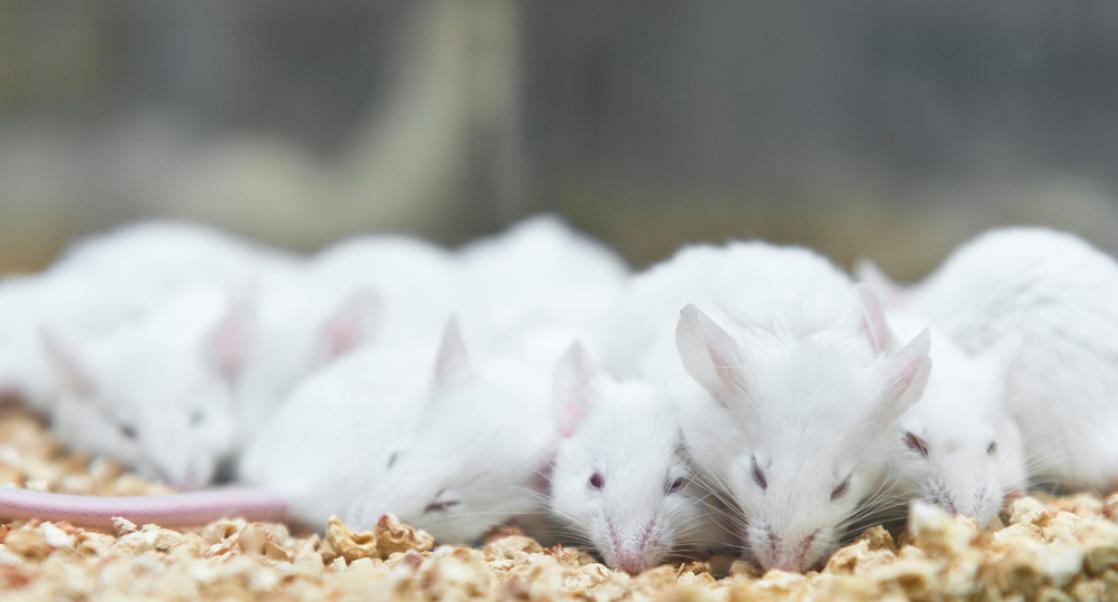
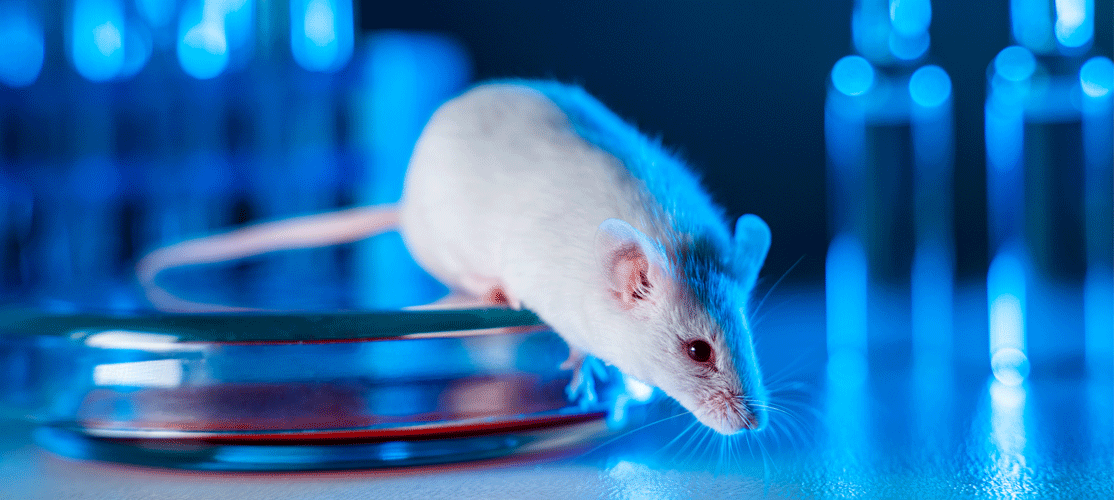
Immunodeficient mice are important animal models lacking parts of their immune system. The NCG is an extremely immunodeficient mouse able to host a wide range of human tumors and tissue. These mice are unable to identify and clear non-mouse cells, which allows us to create models of human diseases, such as cancer, with mice able to host human tissues. They can be improved by transplanting human immune cells to create “immune humanized” mice even more translatable to humans.
Immune humanized mice are engrafted with either human PBMCs or CD34+ cells hematopoietic stem cells. Each model has advantages and recreates parts of the human immune system for a variety of applications. They are often used for immune-oncology research to study immune modulators (immune checkpoint inhibitors and T cell engagers as well as other therapeutics).
Humanized mouse models are continually improving, though. Next generation models have been created by using CRISPR to genetically modify existing models to expand the application of these mice. These lines will help fill existing gaps, for example, removing portions of the major histocompatibility complex to model slower progressing graft versus host disease, adding support for additional immune cell lineages, and further understanding lymphocyte maturation. By leveraging these next generation models, researchers will help address their specific research and lead to breakthrough discoveries!
--Chris Dowdy, PhD, Associate Director, RMS, Charles River