
Unlock Efficiency with the Power of Celsis Microbial Testing for Cosmetics
What's the best way to test cosmetics for microbial safety? Celsis rapid microbial detection takes the guesswork out of home, personal care, and cosmetic microbiology testing:
- Get actionable information in just 24 hours: Our technology rapidly confirms the quality of your product, improving your company’s overall profitability and minimizing risk through shortened production cycles, reduced inventory, and faster response to contamination.
- Leverage a single, rapid method platform: Replacing your multistep traditional method will allow you to test a wide range of products and realize the greatest ROI and speed to market for your company. Use our complimentary Financial Impact Assessment (FIA) to quantify the value of implementing a rapid microbial detection system
- Use a validated and approved method: Celsis has been validated and approved by regulators worldwide for the testing of pharmaceutical products, making it an acceptable method for your over-the-counter (OTC) drug products.
- Obtain comprehensive support: Our Feasibility Study helps determine product compatibility before system purchase. Our experts then support your validation strategy with consultation and study design. We offer flexible test services, protocol packages, and on-site and off-site technical support to ensure a smooth installation and validation process. After setup, we continue to offer technical assistance and training as needed.
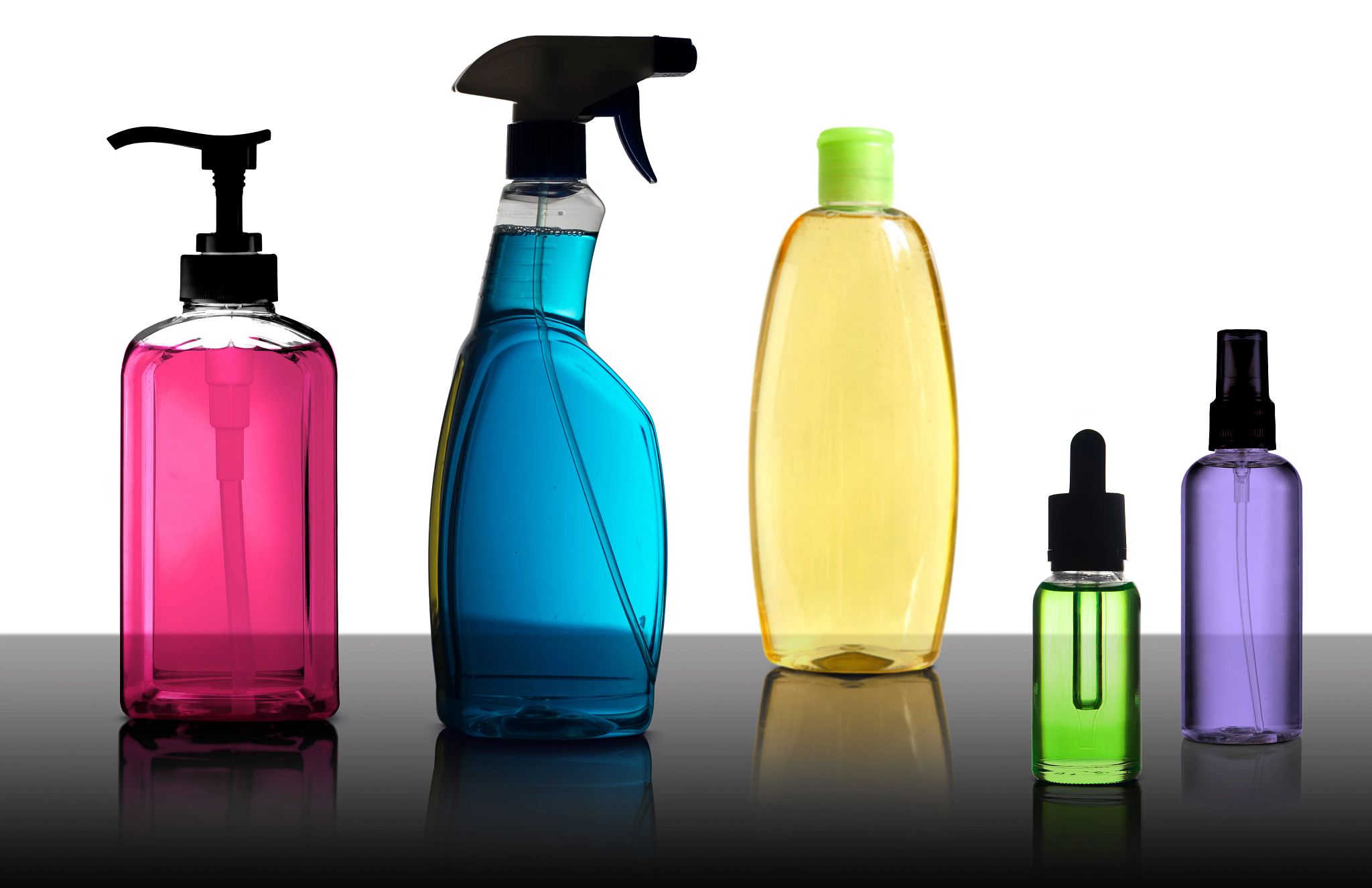
eBook: Personal Care Product Testing with Rapid Microbiological Methods
This guide outlines how to implement rapid microbiological methods for home and personal care product testing by dismantling common misconceptions and unveiling a more streamlined approach.
Get the eBook
Celsis® Home, and Personal Care, and Cosmetic Microbiology Testing Products
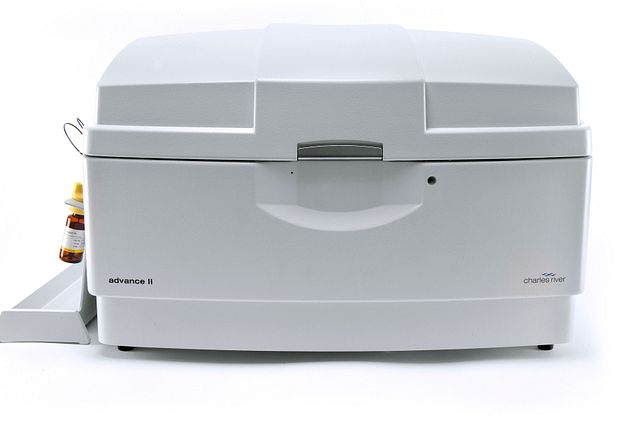
Celsis Advance II™ in Action
Capable of running 120 assays per hour, the Celsis Advance II™ can help high-throughput manufacturers cut days off their production cycles while maintaining data integrity.
See How it Works
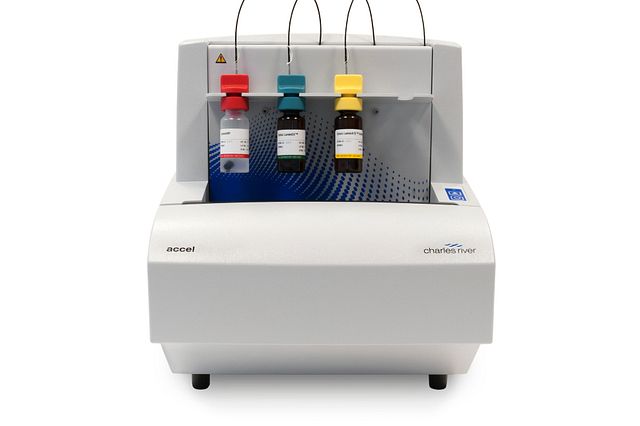
Celsis Accel®
With a throughput of 30 assays per hour, the Celsis Accel® takes the robustness and ease of use of the Celsis Advance II platform and packages it into a small footprint specifically designed for small and mid-sized home and personal care product manufacturing facilities.
Get the Details
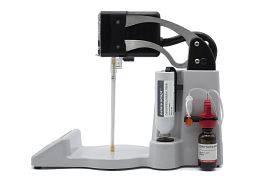
Celsis Adapt™ Express
The Celsis Adapt™ Express sample preparation system coupled with the Celsis ATP-bioluminescence testing reagents enables microbial detection in 8 hours or less.
See How
Celsis® ATP-Bioluminescence Assay Kits
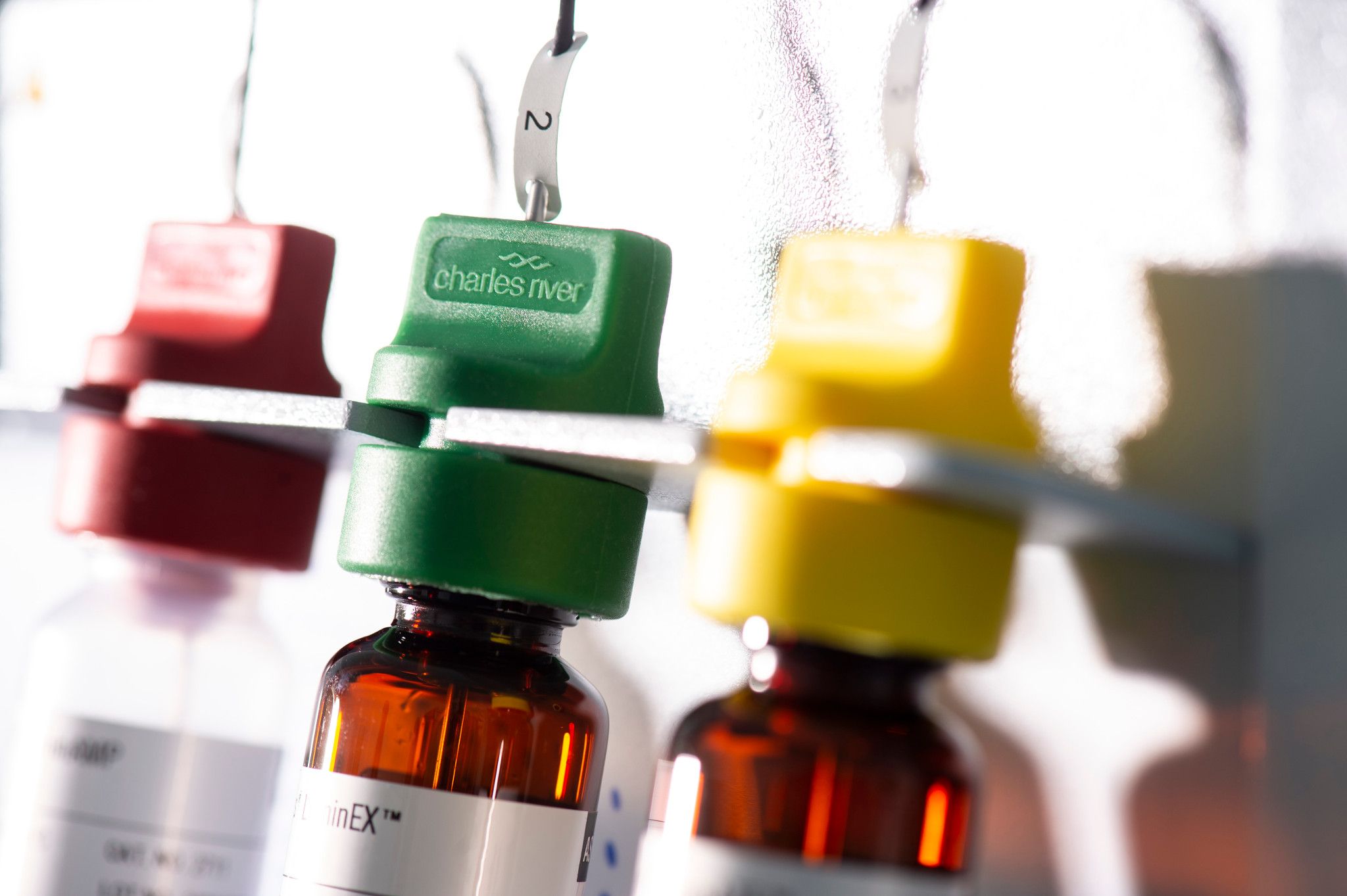
A rapid microbial detection platform is only as good as the technology that powers it. Celsis utilizes the most advanced class of adenosine triphosphate (ATP) bioluminescence reagents to detect microbial contamination, unlocking new efficiencies for your quality control workflow and a new level of safety confidence.
View Product Details
Your Guide to Rapid Microbial Detection
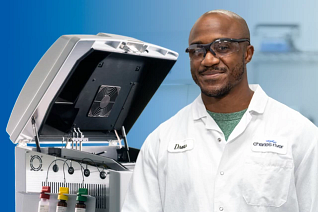
With evolving regulations and increasing production demands, choosing the right rapid method matters. Explore how Celsis® supports confident, compliant microbial detection across product types.
Access the Brochure
Frequently Asked Questions About Home, Personal Care, and Cosmetic Microbiology Testing
-
What are some regulatory considerations for personal care and cosmetic microbiology testing?
Some cosmetic and personal care products are considered OTC drug products and are more regulated. For example, a shampoo is a cosmetic because its intended use is to cleanse the hair. However, if a shampoo has an anti-dandruff claim and contains an OTC active ingredient, its intended use is to cleanse hair and treat dandruff. So, it’s both a cosmetic and a drug. Other examples of OTC drugs include toothpastes that contain fluoride, lotions with anti-acne ingredients, or balms with sunscreen protection claims. Such products must comply with legal requirements for both cosmetics and drugs. For more information on regulatory requirements and compliance visit our microbiology quality regulatory guidance page.