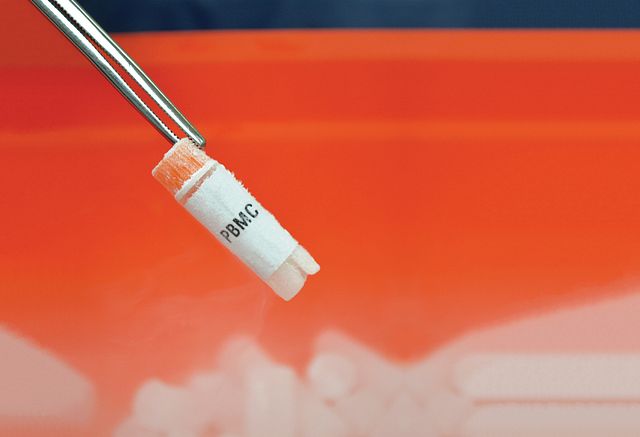
Advance Your Research with PBMC Humanized Mice
Advancing cancer research requires reliable, efficient models for studying human immune responses. However, challenges like inconsistent engraftment between donors and the need to qualify donor cells can slow progress.
Our PBMC humanized mice are engrafted with pre-qualified peripheral blood mononuclear cells (PBMCs) with known engraftment trends and onset of graft-versus host disease (GvHD) – eliminating the need for you to handle donor qualification. These animal models are designed for short-term studies and provide robust T-cell populations, making them ideal for immuno-oncology research. We also offer the NCG-B2m-KO and NCG-MHC-dKO, which delay the onset of GvHD, allowing for longer studies.
Take the Next Step with Our Humanized Mice Portfolio
Not sure where to start? Contact us for a quote, to place an order, or to speak with our scientific experts about your research needs.
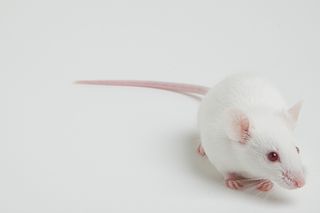
Our PBMC humanized mice are developed from models in our NCG Plus portfolio – giving you flexibility in model selection to meet your study needs:
- HuPBMC NCG
A triple-immunodeficient mouse, lacking functional/mature T, B, and NK cells, and has reduced macrophage and dendritic cell function. These animal models can host xenograft cells, tissue, and human immune system components. - HuPBMC NCG-B2m-KO
A triple-immunodeficient NCG mouse with a B2m (β2-microglobulin) gene knockout. B2m is a component of the MHC complex essential for MHC I expression. NCG-B2m-KO mice express low levels of MHC I, leading to delayed onset of GvHD in PBMC humanized NCG models. - HuPBMC NCG-MHC-dKO
A triple-immunodeficient NCG mouse that lacks the expression of MHC class I molecule deficiency (H2-K and H2-D1) and MHC class II molecule deficiency (H2-Ab1). The decreased expression of MHC I and MHC II leads to a significant delay in the onset of GvHD in PBMC humanized NCG models.
Explore how PBMC donor selection impacts engraftment rates and the onset of GvHD in humanized NCG mice, supporting advancements in cancer research.
What Are the Benefits of PBMC Humanized Mice?
| Study-ready | Peripheral blood mononuclear cells (PBMCs) have been conveniently pre-qualified with known engraftment trends and onset of GvHD. This saves you time by optimizing tumor growth rate with a predictable onset of GvHD responses. No license is required. |
| Pre-qualified donors | Choosing PBMC inventory from our carefully screened, pre-qualified donors that engraft rapidly and consistently allows flexibility to evaluate the efficacy of various therapeutics regarding T cell modulation within your model's system. |
| From a trusted source | We have more than 10 years of experience with humanized mice. Our PBMCs are pre-screened for rapid, efficient engraftment rates, eliminating the time associated with donor qualification studies, therefore, you can quickly ascertain quality results cost-effectively. |
Create Your Own PBMC Humanized Mouse Models
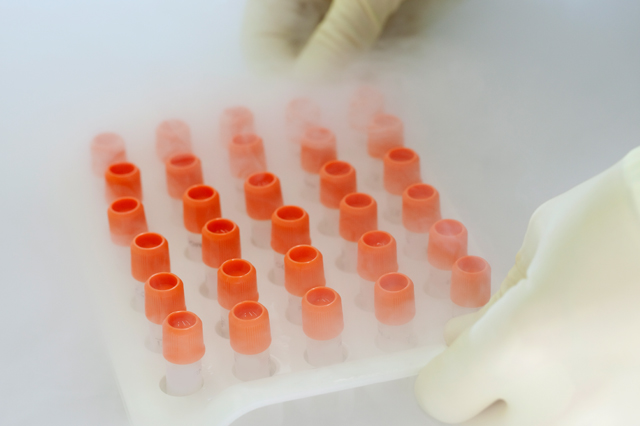
We offer the PBMC Select Humanization Kit so you can create humanized mouse models when your research requires them.
Frequently Asked Questions (FAQs) about PBMC Humanized Mice
-
What are PBMCs?
Peripheral blood mononuclear cells (PBMCs) are a group of white blood cells that are important to immunity including lymphocytes, monocytes, or macrophages.
-
What are PBMC humanized mice?
PBMC humanized mice are predominantly T cell models and are well suited for certain research applications, including immuno-oncology, infectious diseases, and graft rejection.
-
Why should I use a PBMC humanized model?
In a live model, PBMC humanized mice are used to study the human immune system. These mice are useful for short term, T cell focused studies, allowing for the study of human responses, immuno-oncology, infectious diseases, and GVHD.
-
Does Charles River offer humanized mice engrafted with human cells other than PBMCs?
We offer humanized mice engrafted with CD34+ HSCs, which are used to study the immune system in vivo, this model provides a long-lasting and stable immune system which allows for extended studies of immune responses.
-
What is the optimal protocol for injecting NCG mice with PBMCs?
Generally, the cells are injected into animals between six and eight weeks of age, but the timing may be adjusted to meet your study needs. Once an order is confirmed, we will provide the ages of the animals available and the shipment date for each order.
Approximately 1 x 10⁷ cells are injected per mouse.
-
When should NCG PBMC humanized mice be placed on study?
The ideal study start time can change depending on the donor and the number of cells injected. We demonstrate a study window in our donors of approximately 21 – 45 days post-injection, before the onset of GvHD.
-
How do I order NCG PBMC humanized mice, and when will I receive them?
Contact [email protected] to place orders for PMBC humanized mice. The minimum is five animals per order. Additional quantities may be ordered in increments of five animals.
PBMC humanized mice will be shipped 3 – 5 business days after injecting the cells. The full process can take 2 – 3 weeks.
