
Research Use Human Peripheral Blood Products
Products derived from human peripheral blood are essential starting materials that are utilized across the research and development spectrum. These products are used in many branches of science including cell and genes therapies, microbiology, virology, oncology, vaccine development, toxicology, immunotherapies, as well as transplant and regenerative biology. Advance your research with our wide selection of human peripheral blood products.
-
Discounted Pricing
Your company or academic institution may be eligible for pricing discounts. Government labs located in the United States are also eligible for GSA MAS discounts. Request a quote to find out more.

Leukopaks
Our fresh leukopaks play a critical role in the discovery, development, and manufacturing of immune cell therapies and are available in three different SKU sizes: full collection, ½ collection, or ¼ collection.
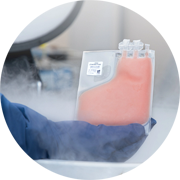
Cryopreserved Leukopaks
Eliminate any challenges around logistics with our wide selection of cryopreserved leukopaks.
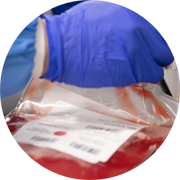
Mobilized Leukopaks
An excellent source of CD34+ and CD133+ hematopoietic stem and progenitor cells, six different dosing regimens are available.
Peripheral Blood Mononuclear Cells (PBMCs)
Isolated and processed same-day and onsite from freshly collected leukopaks. Multiple vial sizes are available to isolate lymphocytes, monocytes, and dendritic cells. We offer normal PBMCs, GMP PBMCs, mobilized PBMCs, pooled PBMCs, and irradiated PBMCs.
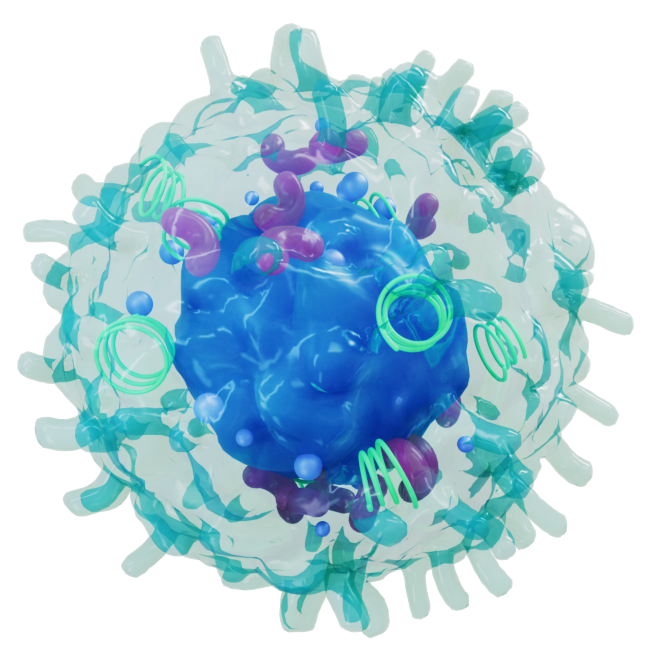
T Cells
Isolated and processed same-day and onsite from freshly collected peripheral blood leukopaks. T cells are isolated by either positive or negative selection using immunomagnetic cell separation procedures. We offer CD3+ Pan T cells, CD4+ Helper T cells, CD8+ Cytotoxic T cells, Natural Killer T cells (NKTs), Regulatory T cells (Tregs), and Gamma-delta T cells.
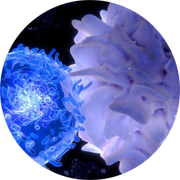
Antigen-specific T Cells
A unique tool to study the activation and specificity of the immune system in response to viruses, bacteria, tumor cells, and autoimmune diseases.
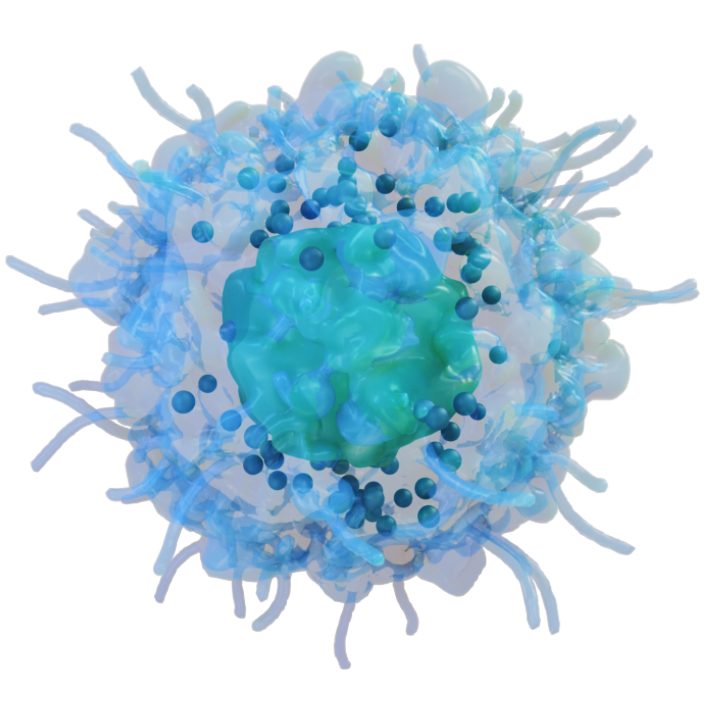
CD56+ NK Cells
Isolated and processed same-day and onsite from freshly collected peripheral blood leukopaks. NK cells are isolated by either positive or negative selection using immunomagnetic cell separation procedures.
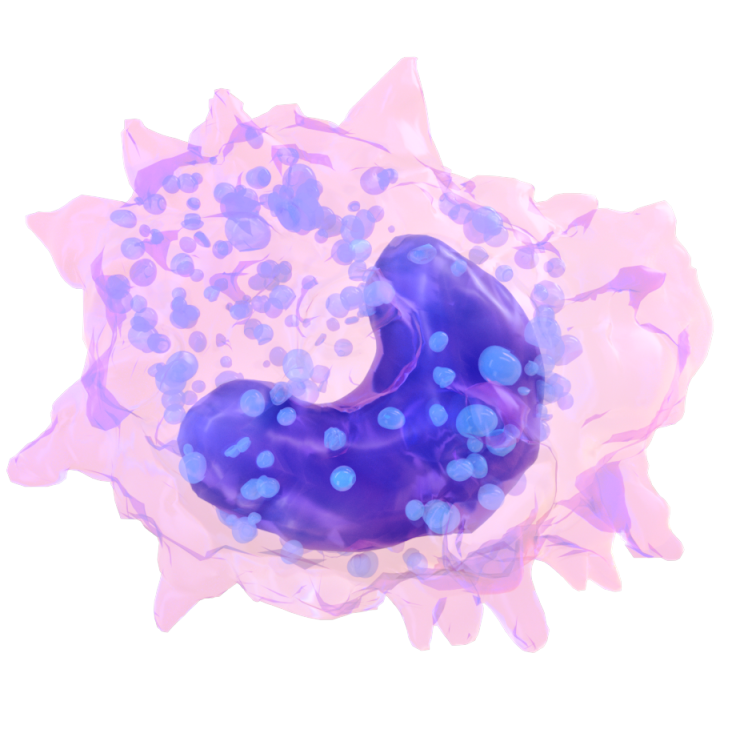
Monocytes
Isolated and processed same-day and onsite from freshly collected leukopaks. Pan and classical CD14+ monocytes are available and are isolated by positive or negative selection.
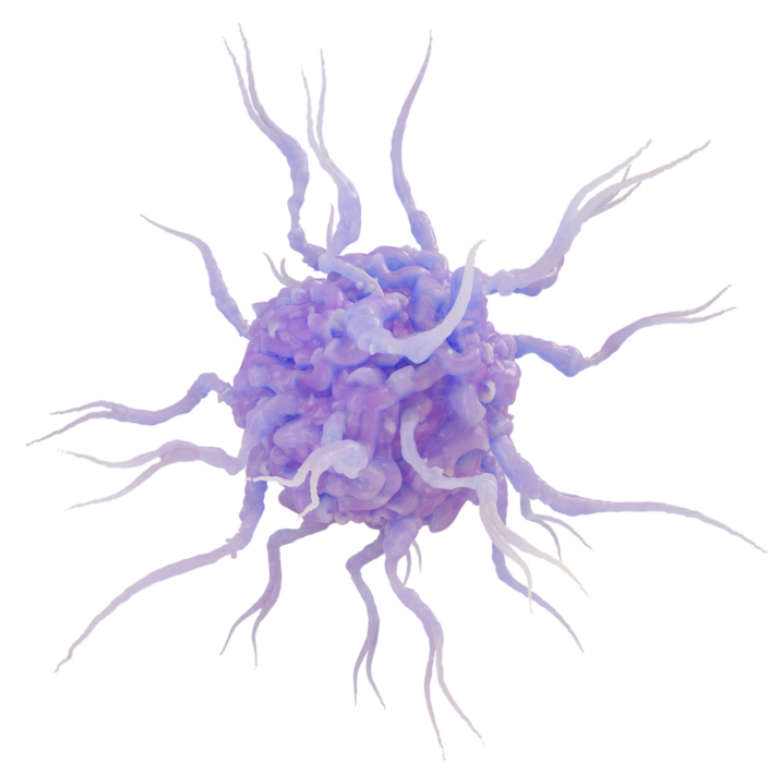
Dendritic Cells
Differentiated from CD14+ monocytes that are isolated and processed same-day and onsite from freshly collected leukopaks.
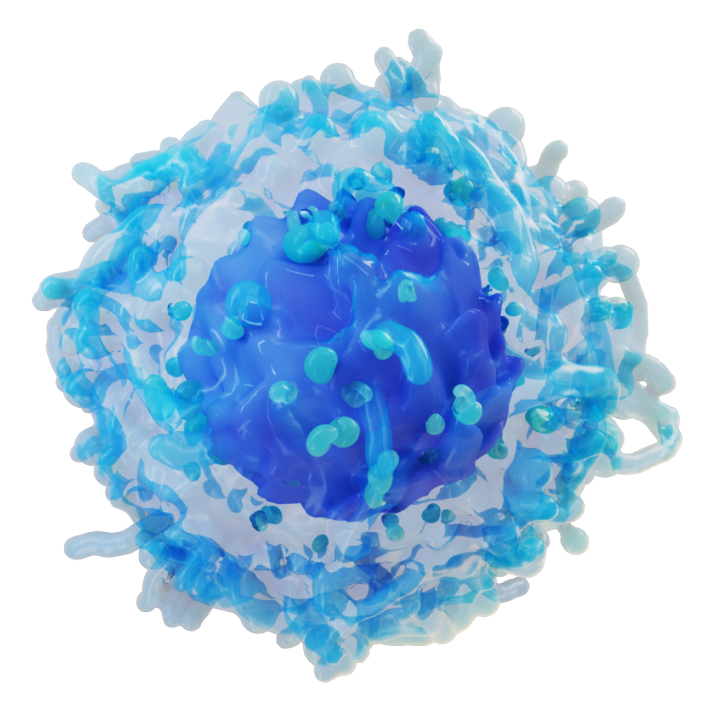
B Cells
Isolated and processed same-day and onsite from freshly collected peripheral blood leukopaks. B cells are isolated by positive or negative selection using immunomagnetic cell separation procedures.
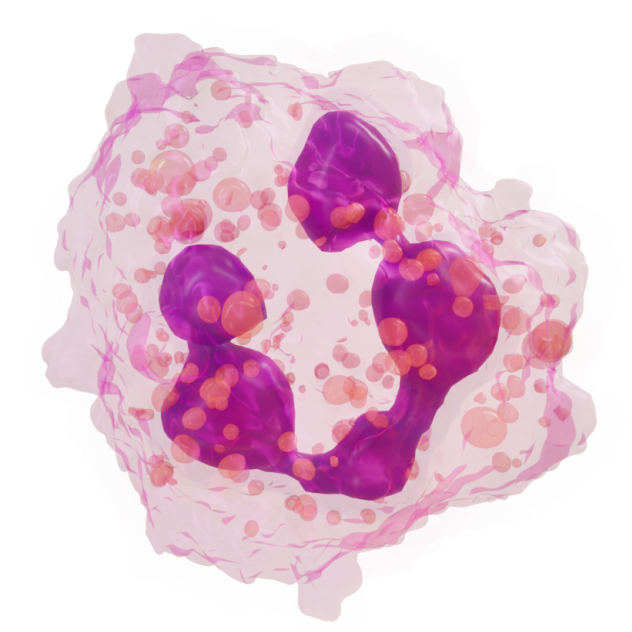
Granulocytes
Collected and processed same-day and onsite from freshly collected leukopaks. Granulocytes are separated using a density gradient and red cell lysis.
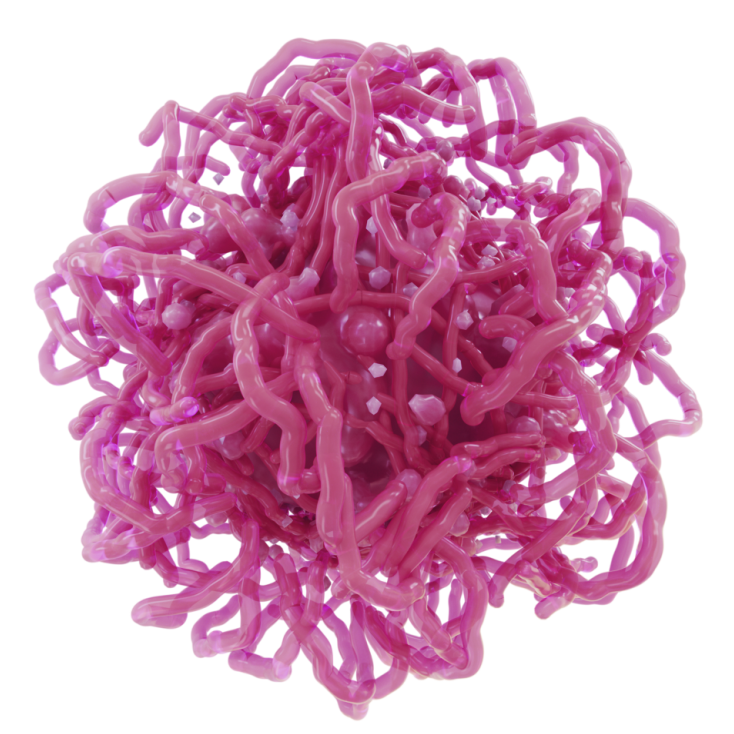
Macrophage Cells
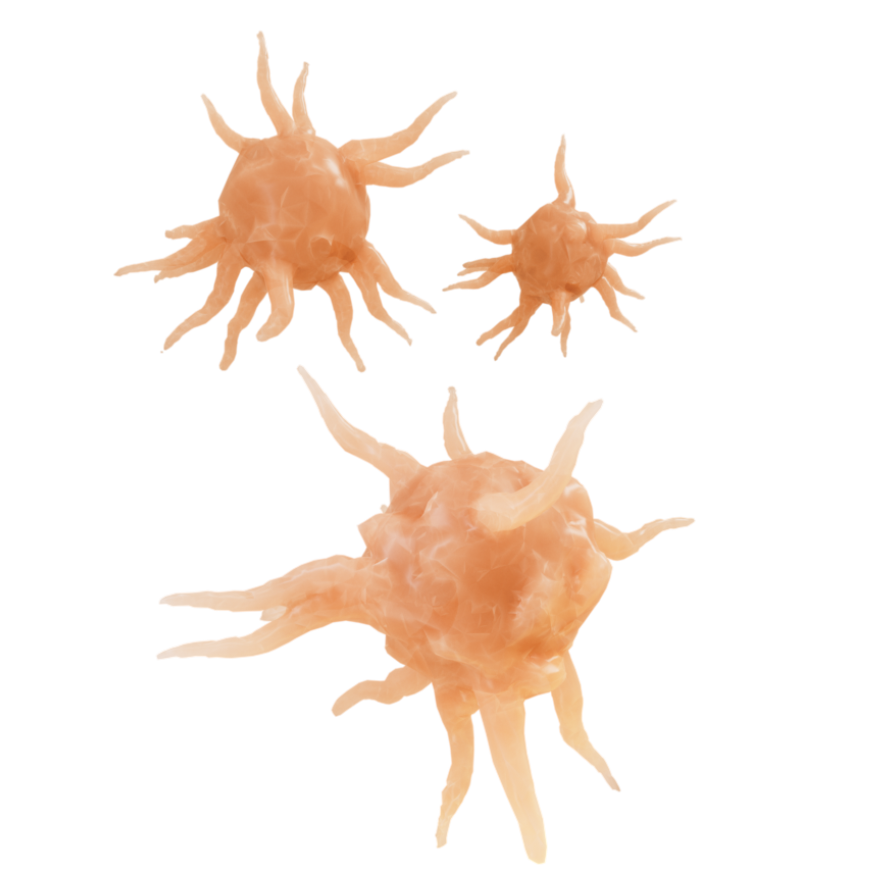
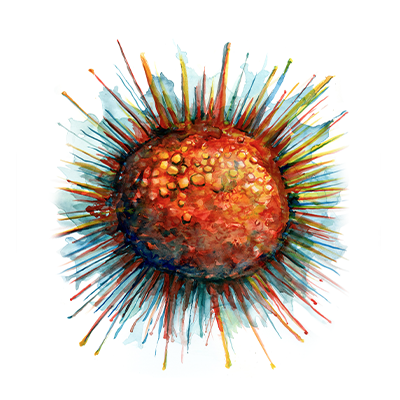
M1 and M2 macrophages are differentiated from CD14+ monocytes that are isolated and processed same-day and onsite at the collection facility from freshly collected leukopaks.
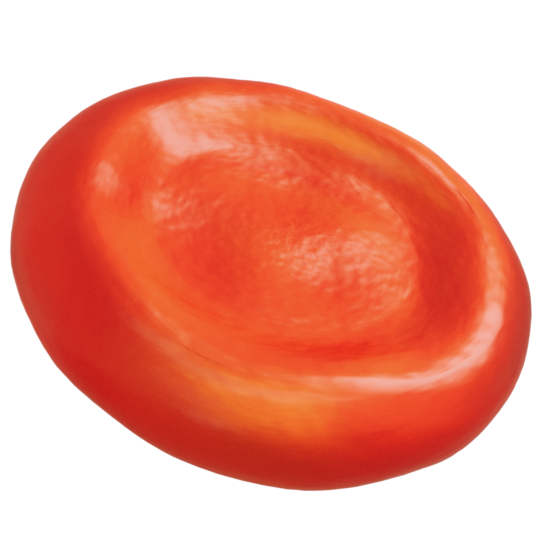
Whole Blood
Human whole blood can be either collected in a bag containing citrate-phosphate-dextrose (CPD) as an anticoagulant or in any commercially available collection tubes with anticoagulants.
-cr.png?crop=true&anchor=0,0&color=ffffffff&u=fwtil1&w=2048&h=2048)
Plasma
Human blood plasma is separated from peripheral blood by centrifugation and is available through custom requests as either a fresh or cryopreserved sample. The collected plasma can utilize any commercially available collection tube with anticoagulant.
Platelets
Human platelets are collected using the Trima Accel® Automated Blood Collection System in an acid-citrate-dextrose (ACD) anticoagulant blood bag and are available as freshly isolated single and double units.
Serum
Human blood serum is collected from peripheral blood in a plain or Serum Separator Tube and is available through custom requests as either a fresh or cryopreserved sample.
Disease State Biospecimens
We offer the following high-quality, well-characterized disease state peripheral blood-derived products for research use: Leukopaks, Immune Cells, Whole Blood, Serum, and Plasma – collected in accordance with an IRB-approved protocol. Our disease state peripheral blood-derived products encompass a wide range of diseases.
What is Peripheral Blood?
Peripheral blood is the blood circulating throughout the body. The cellular components that could be isolated from human peripheral blood include erythrocytes (red blood cells), leukocytes (white blood cells), and thrombocytes (platelets). Plasma, the liquid component of peripheral blood and the vehicle through which these blood cells circulate throughout the body, can also be collected. Peripheral blood’s highly dynamic cell composition and easily accessible collection methods of its white blood cells (WBCs) population make it the most widely used system in research and therapy development.
Human peripheral blood’s popularity in research is largely due to its white blood cell population, notably peripheral blood mononuclear cells (PBMCs), which include subsets from the lymphoid lineage (T cells, B cells, NK cells) and myeloid lineage (monocytes, macrophages, and dendritic cells). These WBCs are critical components of the innate and adaptive immune response and are the main building blocks for development of many cell therapies such as CAR-T.
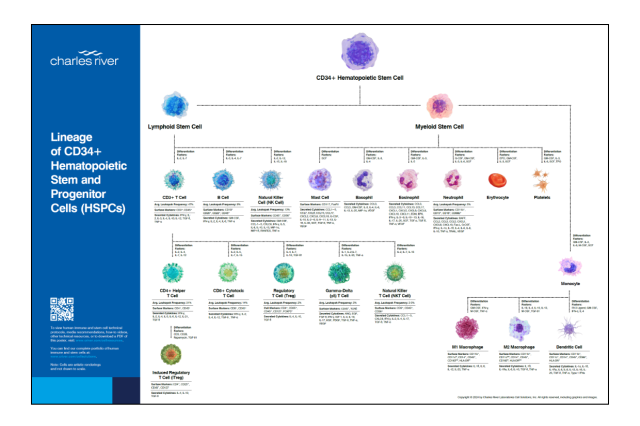
Lineage of CD34+ Hematopoietic Stem and Progenitor Cells (HSPCs)
Receive a complimentary poster to access information on immune cell markers, differentiation factors, cytokines, technical protocols, media recommendations, how-to videos, and more.
How are Peripheral Blood Cells Collected?
They are collected either through traditional venipuncture procedures or through apheresis in our FDA-registered donor center from healthy human donors who have consented under an IRB approved protocol. Apheresis is the process of removing a specific component (red or white blood cells, platelets or plasma) from the blood and returning the remaining components to the donor. Charles River utilizes the Spectra Optia®Apheresis System, an industry-leading cell processing and cell collection platform that uses continuous-flow centrifugation and optical detection technology to obtain a white blood cell enriched product from the circulating peripheral blood. This procedure is called “leukapheresis.”
Leukapheresis provides a more concentrated cellular fraction of leukocytes (white blood cells) than could be separated from a unit of whole blood via traditional methods. Typically, the mononuclear cell content with leukapheresis is 20 times higher than that obtained from the buffy coat. Due to the large size of the collection and the benefit of obtaining a purer and higher yield of mononuclear cells, products obtained through leukapheresis (leukopaks) are regularly used in the research setting, for cell therapy process development, as well as clinically for certain treatment procedures. At Charles River, all primary cells isolated from peripheral blood via either Ficoll density gradient centrifugation or immunomagnetic separation techniques are characterized by flow cytometry prior to cryopreservation, guaranteeing customers a pure and viable cell population every time.