
ADC Discovery and Characterization Services
Antibody drug conjugates (ADCs) are an exciting and rapidly growing class of oncology therapeutics. ADCs link a cancer cell-binding antibody to a cytotoxic payload, enabling drug delivery directly to a tumor. The approach neutralizes cancer cells while minimizing the impact on healthy tissues.
Charles River’s antibody, oncology, and immunology experts can support your ADC program from proof-of-concept to clinical candidate, ensuring you build momentum and overcome roadblocks on your path to translational success.
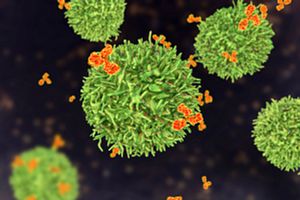
Advancing Antibody Drug Conjugate (ADC) Discovery
Watch our webinar on overcoming ADC challenges from design to IND-enabling studies, with a particular emphasis on potency, efficacy, and safety profiling.
Watch the Webinar
End-to-End Antibody Drug Conjugate Services
Phage Display Antibody Discovery: Rapidly discover antibody hits using our phage display platforms. Jumpstart your ADC discovery by identifying a panel of diverse and developable hits against any target of interest, with the ability to screen for epitope and cross-species reactivity.
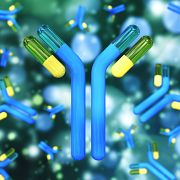
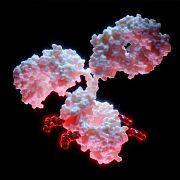
ADC Generation: Partner with Charles River and our collaborator, NJ Bio, on the iterative design and synthesis of ADCs. A comprehensive portfolio of linkers, payloads, and conjugation methods are available, as are tools to profile ADC characteristics such as binding, stability, and drug-to-antibody (DAR) ratio.
In Vitro Functional Characterization: Our ADC characterization services include a wide range of biological activity (MoA) functional cell-based assays. Available assays include target binding, ADC internalization, and tumor cell kill potency, while available platforms include 3D spheroid and tumoroid cultures.

Off-Target Analysis: It is critical that ADCs bind specifically to their intended targets to avoid any off-target toxicities. The Retrogenix® Cell Microarray platform enables binding specificity assessments for both the antibody and the payload, providing comprehensive insight into an ADC’s off-target activities. Learn more from our ADC off-target binding case study and scientific poster.
In Vivo Pharmacology: We offer a broad range of translational models to support your efficacy studies, including patient-derived xenografts (PDX) as well as syngeneic and humanized models. Our cancer model database is a free online search tool for identifying the best tumor models for your application. We also provide pharmacokinetics (PK) screening to quantify your intact ADC, antibody, and/or small molecule payload.

Safety Services: In addition to off-target analysis, our in vitro safety offerings include immunogenicity assessment, tissue cross-reactivity, and IND-enabling safety profiling in human primary tissues, organoid cultures, and tumoroids. We can also support non-GLP and GLP integrated pharm-tox studies on tolerability and safety.

ADC Analysis Services: Our bioanalytical testing services support the entire ADC product development life cycle, from method development and validation to cGMP clinical product release and stability evaluation. These services have supported many of the ADCs currently on the market or in clinical trials.

ADC Manufacturing: Through collaboration with our partner NJ Bio, clients can access CRO and regulatory compliant CDMO services for scale-up and manufacture of payloads, linkers, linker-payloads, ADCs, TPDs, oligo-conjugates, and non-oncology related conjugates to support toxicology studies and Phase 1 and 2 clinical trials.
Featured ADC Characterization Services
The Charles River team specializes in the functional, safety, and efficacy evaluation of preclinical candidates across modalities, including antibody-drug conjugates.
Available in vitro assays for antibody drug conjugate characterization include target binding, internalization, cytotoxicity, effector function, bystander effects, cytokine release, cell proliferation, and immunophenotyping. Targeted cell death assays are useful for confirming tumor target antigen recognition and ADC-mediated toxicity, while in vitro safety profiling is used to identify on-target and off-target effects of the ADC candidate.
To learn more about ADC analysis and development and overcoming challenges such as off-target effects, tumor heterogeneity, and unpredictable pharmacokinetics, read a Biocompare article featuring insights from the Charles River team.
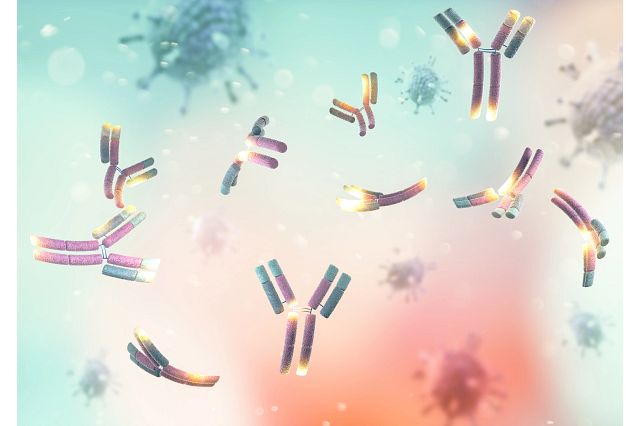
Zero to Antibody Hero: Laying the Groundwork for Preclinical Success
Are you doing everything you can to de-risk your antibody candidates? What does it take to go to preclinical development with a high degree of confidence? View this webinar to follow the journey of an antibody ‘candidate hero’ as it progresses through the early discovery gauntlet.
Watch the Webinar
Power your in vivo efficacy studies for ADC development and characterization with our broad range of disease models for cancer and other therapeutic areas. Our patient-derived xenograft (PDX) collection includes more than 1,700 well-characterized PDX models from more than 45 tumor entities representing both adult and pediatric cancer. Our experts can help you select the best model for ADC analysis based on target expression, conduct proof-of-concept screens, and execute in vivo studies for ADC candidates.